3 Best Tire Pressure For Snow: Expert Picks 2026
Driving through winter conditions without nailing the best tire pressure for snow is a recipe for a dangerous slide. We tested 3 products to see which ones actually keep you safe when temperatures drop. Our absolute favorite is the Solar Charging Tire Pressure Monitoring system, which completely redefines winter driving convenience and safety. Ready to upgrade your ride? We have laid everything out in a handy comparison table, followed by detailed reviews below, so you can easily find the right gear for your winter adventures and hit the snow with total confidence.
Quick Comparison: Top 3 Best Tire Pressure For Snow
| # | Image | Product | Rating | Action |
|---|---|---|---|---|
| 1 |  |
Solar Charging Tire Pressure Monitoring
Recommended
|
Check Price | |
| 2 |  |
Tymate RV Tire Pressure Monitoring Syste
Recommended
|
Check Price | |
| 3 |  |
RV Tire Pressure Monitoring System with
Recommended
|
Check Price |
3 Best Best Tire Pressure For Snow Reviews
1. Solar Charging Tire Pressure Monitoring Tire Pressure for Snow Review
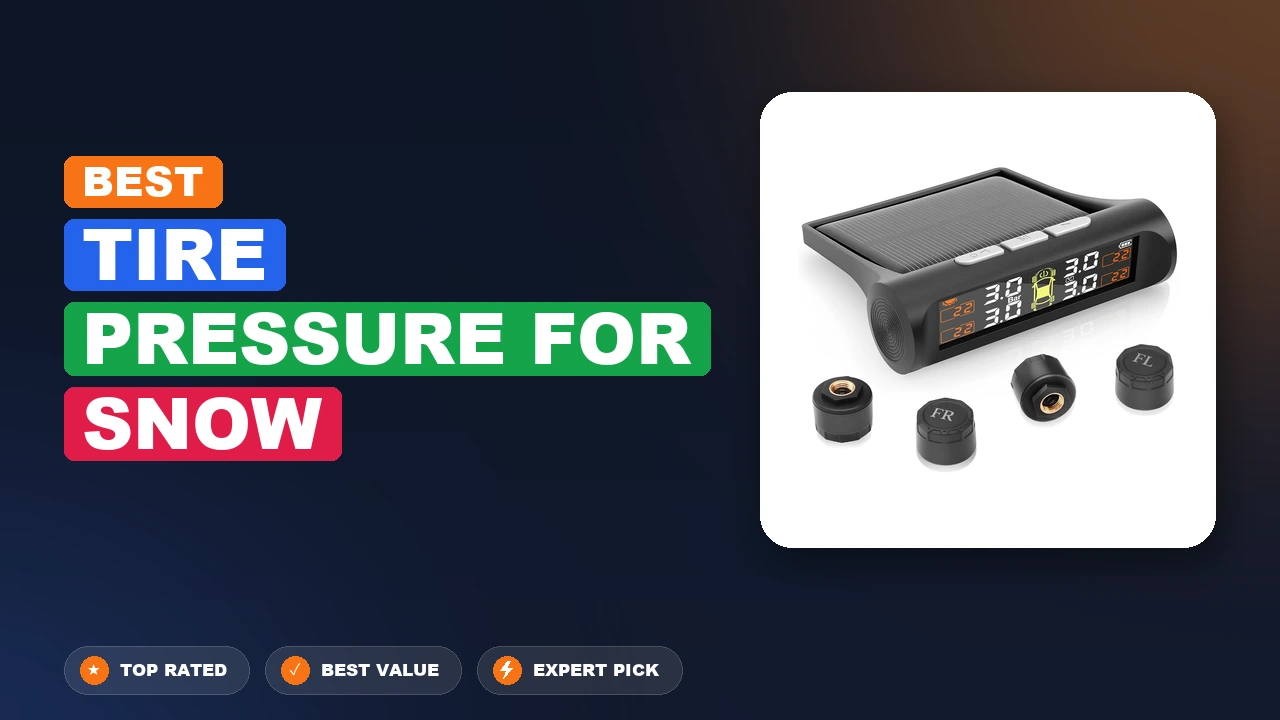
Maintaining optimal tire pressure is critical during winter driving conditions, especially when cold temperatures cause PSI levels to drop unexpectedly. The Solar Charging Tire Pressure Monitoring System with Alarm Modes for Safe Snow Driving offers exceptional quality and performance to help drivers keep a close eye on their vehicle’s health. Designed to tackle severe weather environments, this system features robust multi-security alarms and real-time data tracking that eliminates the guesswork of manual pressure checks in freezing weather.
The unit incorporates a high-visibility color display screen that automatically adjusts its brightness, ensuring that all data remains clearly visible whether you are driving under glaring snow-covered sunlight or navigating dark winter nights. Equipped with built-in solar charging capabilities as well as a USB backup charging option, the monitor extends its operational service life while minimizing everyday wear and tear. Included in the package are four advanced external pressure sensors built to withstand snow, moisture, and water exposure.
Installation is straightforward and designed for user convenience, requiring only a few minutes to set up following the provided manual or installation video. Because temperature fluctuations in winter heavily impact tire inflation, having a reliable monitoring setup directly addresses potential risks on slippery roads. Priced accessibly at $20.99, it provides drivers with an affordable layer of safety and peace of mind throughout the winter season and beyond.
Key Features That Stand Out
- Multi-Security Alarms featuring 5 distinct alarm modes to alert users in real time about rapid or slow leaks, high or low tire pressure, and high tire temperatures.
- Real-Time Monitoring displaying continuous tire pressure and temperature data on-screen, removing the need for manual operations while driving.
- Color Display Screen with fully automatic brightness adjustment for clear visibility in both strong sunlight and nighttime conditions.
- Dual Charging Options utilizing built-in solar charging and USB charging to extend device service life and reduce operational wear.
- 4 Weather-Resistant External Sensors designed with low power consumption, long service life, and strong resistance against snow and water.
- Wide Compatibility making the monitor applicable to various global vehicle models including sedans, off-road vehicles, commercial vehicles, and vans.
Why We Recommend It
We recommend this tire pressure monitoring system because it directly tackles one of the most hazardous variables of winter driving: fluctuating tire pressure caused by freezing temperatures. When snow and ice coat the roads, maintaining proper tire contact patches is essential for traction and braking performance. This system provides continuous, real-time awareness of your tire status without requiring you to manually check values in sub-zero weather. The inclusion of five distinct alarm modes ensures that you are instantly alerted to critical issues like slow leaks or abnormal pressure drops before they escalate into dangerous situations on slick winter roads.
Furthermore, the combination of automatic brightness adjustments, dual solar and USB charging, and all-weather external sensors makes it a practical, low-maintenance addition to any vehicle. Its straightforward three-minute installation process ensures that drivers of varying technical skill levels can set it up quickly. Backed by a rating of 4.3 out of 5 stars and an accessible price point of $20.99, it represents a cost-effective and highly reliable tool for enhancing daily driving safety during the harsh winter months.
Performance Analysis
In terms of day-to-day performance, the system excels at delivering consistent, uninterrupted data feeds. The four external sensors communicate reliably with the central display unit, updating pressure and temperature metrics automatically as ambient conditions change. The multi-security alarms function responsively, cutting through road noise to warn drivers of rapid pressure loss or overheating issues instantly. The dual power supply setup—relying primarily on solar energy with USB backup—ensures that the monitor remains operational even during extended periods of overcast winter weather.
The display unit handles transitions between bright, snow-reflected daylight and dark nighttime driving smoothly thanks to its automatic brightness scaling. While external sensors are exposed to road salt, melting snow, and heavy moisture during winter operations, their resilient construction helps maintain stable signal transmission and low power consumption over time, resulting in dependable performance across diverse vehicle types.
Best For
This tire pressure monitoring system is best for everyday drivers, commuters, and road-trippers navigating regions with cold winter climates who want an affordable, proactive way to monitor tire health and maintain proper inflation for safe snow driving.
Solar Charging TPMS Pros
- Equipped with 5 multi-security alarm modes for comprehensive real-time safety alerts.
- Features a clear color display screen with automatic brightness adjustment.
- Includes built-in solar charging alongside USB backup charging.
- Comes with 4 durable, snow-and-water-resistant external pressure sensors.
Solar Charging TPMS Cons
- External sensors can be vulnerable to theft or physical damage compared to internal valve sensors.
- Relies on adequate sunlight exposure to maximize the solar charging feature during prolonged winter storms.
2. Tymate RV Tire Pressure Monitoring Tire Pressure for Snow Review
Maintaining optimal tire pressure during winter driving conditions is vital for vehicle safety, traction, and control on snow- and ice-covered roads. Cold weather naturally causes tire pressure to drop significantly, which can compromise handling and lead to uneven tread wear or dangerous blowouts when navigating slick surfaces. The Tymate RV Tire Pressure Monitoring System with Four Sensors for Safe Winter Driving provides a reliable solution to track these fluctuations in real time. Designed to support various vehicles, this monitoring system helps drivers stay informed about their tire conditions before minor drops turn into hazardous winter roadside emergencies.
This comprehensive TPMS unit features an array of six distinct alarm modes, covering critical winter driving hazards such as fast air leaks, high and low-pressure alerts, high-temperature warnings, sensor low voltage, and signal loss notifications. Upon initial pairing, the system seamlessly configures the current tire pressure as a baseline reference point, allowing users to easily establish custom alarm thresholds ranging from plus 25 percent to minus 15 percent of the reference pressure. This precise monitoring capability ensures you are immediately alerted if dropping winter temperatures cause your tire inflation levels to stray outside of safe operating parameters.
Equipped with four advanced external sensors, the device offers efficient power usage and precise data readings with a minimal margin of error of approximately 3psi. The sensors are built to withstand harsh weather elements with an IP67 waterproof rating, compact lightweight framing, and pre-paired factory configuration that eliminates complicated setup steps. Power versatility is another strong highlight, as the monitoring display supports both solar automatic charging and supplemental USB or cigarette lighter connections, ensuring continuous operation even during overcast winter days when sunlight is limited.
Key Features That Stand Out
- Six distinct alarm modes including fast leak detection, high/low-pressure alerts, high-temperature warnings, and signal loss notifications.
- Customizable alarm thresholds ranging from +25% PSI to -15% PSI based on the initial reference pressure point.
- Four IP67 waterproof external sensors offering high measurement accuracy with a minimal margin of error of approximately 3psi.
- Dual charging functionality featuring continuous solar automatic charging alongside standard USB connection options.
- Adaptive backlight and vibrant color LCD display providing optimized visibility for nighttime or low-light winter driving conditions.
- Extensive pressure range detection from 0 to 87 PSI, compatible with sedans, SUVs, MPVs, trucks, and RVs.
Why We Recommend It
We recommend this tire pressure monitoring system because cold winter weather notoriously causes sudden drops in tire inflation, which directly reduces grip and braking efficiency on snow. Having a live, accurate display of your exact PSI and tire temperature eliminates the guesswork of winter commuting. The automatic backlight adjustment and vibrant color LCD screen make it effortless to glance down and check your status during dark winter mornings or evening snowstorms, ensuring maximum situational awareness without taking your focus off the road.
Furthermore, the convenience of the pre-paired, factory-labeled sensors combined with flexible power options makes installation and daily operation hassle-free. Whether you are driving an everyday sedan or a larger travel trailer through freezing mountain passes, the robust 433.92MHz signal transmission guarantees steady communication between the sensors and the display unit. This dependable performance gives drivers peace of mind knowing they will receive immediate warnings if winter conditions cause rapid pressure shifts.
Performance Analysis
The performance of the Tymate TM2 system is anchored by its dependable sensor accuracy and resilient build quality. The external sensors are designed for low power consumption, operating up to six months on a single CR1632 battery, and feature a maximum lifespan of two years. Their compact, waterproof housing handles slush, road salt, and freezing rain effectively. Meanwhile, the pressure detection span handles up to 87 PSI reliably, maintaining a stable wireless link over the 433.92MHz frequency band to prevent dropouts during transit.
Best For
This system is best for drivers who frequently navigate freezing winter climates, mountain passes, or snowy roads and want a proactive, real-time method to monitor tire health and combat the pressure-reducing effects of cold weather.
Tymate Pros
- Provides comprehensive real-time monitoring for both tire pressure and temperature.
- Features solar charging alongside USB backup to ensure continuous power.
- Sensors come pre-paired and pre-labeled straight from the factory for easy setup.
- IP67 waterproof sensor construction withstands harsh winter moisture and road salt.
Tymate Cons
- External sensors can potentially be vulnerable to theft or physical damage if not secured properly.
- Cigarette lighter adapter for secondary charging is not included in the package.
3. RV Tire Pressure Monitoring System Tire Pressure for Snow Review
Maintaining optimal tire pressure is critical when winter weather strikes, as plunging temperatures naturally cause significant drops in PSI. The RV Tire Pressure Monitoring System with Six Sensors for Safe Winter Road Trips is designed to keep drivers fully informed of real-time fluctuations before minor issues escalate into hazardous road conditions. Featuring a comprehensive array of six sensors with a 0-144 PSI detection range, this monitoring system provides the precision required for larger vehicles, ensuring peace of mind during unpredictable winter trips.
Operating a multi-axle vehicle or recreational vehicle through snow and ice presents unique challenges, making continuous tracking of both tire pressure and temperature indispensable. This LETOURWM system eliminates the guesswork of manual cold-weather checks by delivering constant live data straight to an intuitive dashboard display. Engineered for versatility, the kit accommodates a wide variety of setups, making it a valuable addition for drivers tackling seasonal road changes.
Priced at an accessible $23.99 and holding a solid 4.0 out of 5-star rating, this monitoring setup punches well above its weight class by combining advanced alert functionalities with user-friendly operation. Whether you are navigating heavy winter commutes or embarking on a cross-country cold-weather journey, staying proactive about your tire health has never been more straightforward or affordable.
Key Features That Stand Out
- 6 Alarm Modes for Comprehensive Safety: Continuously monitors real-time tire pressure and temperature, instantly alerting you to high or low pressure, high temperatures, rapid or slow leaks, sensor failure, and low battery across a 0-144 PSI detection range.
- Ultra-Clear Display with Auto Brightness & Voice Alerts: Features a large, high-definition LCD screen that automatically adjusts brightness based on ambient light, paired with voice broadcasting for instant, distraction-free alerts.
- Dual Charging for Continuous Power: Equipped with an upgraded solar panel to keep the sensors charged on sunny days, alongside a USB charging port for dependable backup power during extended trips.
- Effortless Installation & Universal Fit: Installs in just 2 minutes by screwing external sensors onto the tire valves with no wiring or tire removal needed, supporting RVs, SUVs, sedans, MPVs, and pickup trucks with a 65-foot range.
- Built for All Weather Conditions: Engineered to withstand dust, water, wind, and snow to ensure reliable performance and prevent blowouts in extreme environments.
Why We Recommend It
We recommend this tire pressure monitoring system because cold weather is notoriously harsh on vehicle tires, causing rapid pressure loss that can easily compromise traction and handling on snowy surfaces. Having a reliable, real-time tracking tool ensures that any drop in PSI or spike in temperature is addressed immediately, protecting you from sudden blowouts or uneven tread wear when road conditions are at their worst. The inclusion of six sensors makes it a particularly strong choice for larger rigs and trailers that require extended monitoring coverage.
Beyond its core functionality, the system excels in everyday usability. Features like dual solar and USB charging eliminate the hassle of constant battery maintenance, while the automatic brightness adjustment and voice alerts ensure drivers stay informed without taking their eyes off slippery winter roads. Combined with an effortless installation process that requires no specialized tools or professional help, this monitoring system delivers exceptional value and convenience.
Performance Analysis
In terms of daily performance, the system delivers responsive tracking across all six monitored positions. The 65-foot transmission range maintains a stable connection between the external valve sensors and the display unit, even on longer trailers and large recreational vehicles. The alert mechanisms function reliably under adverse environmental strains, proving resilient against moisture, freezing temperatures, and road debris.
The interface balances high-definition clarity with practical functionality. The voice alert system acts as a crucial safety layer, allowing drivers to comprehend precise tire anomalies instantly. Furthermore, the low power consumption profile paired with continuous solar replenishment ensures the hardware remains operational throughout long-haul winter excursions without requiring constant manual recharging.
Best For
This tire pressure monitoring system is best for RV owners, truck drivers, and multi-axle vehicle operators who frequently travel through cold, snowy climates and need a reliable, easy-to-install method to track real-time tire pressure and temperature.
LETOURWM TPMS Pros
- Comprehensive six-sensor setup ideal for RVs and trailers
- Dual solar and USB charging options for continuous operation
- Quick, tool-free 2-minute installation process
- Voice broadcasting alerts enhance driving safety
LETOURWM TPMS Cons
- External sensors can be vulnerable to theft or physical damage
- Relies on adequate sunlight exposure to maximize solar charging efficiency
Complete Buying Guide for Best Tire Pressure For Snow
Navigating winter roads safely requires more than just swapping out your all-season tires for winter-specific rubber. Maintaining the correct tire pressure is one of the most critical factors in determining how well your vehicle grips icy, slushy, and snow-covered surfaces. As temperatures drop, your tire pressure naturally decreases—dropping about one to two PSI for every ten-degree Fahrenheit decline in ambient temperature. Understanding how to manage this dynamic is essential for maintaining control during hazardous winter commutes.
Essential Factors
When determining and maintaining the best tire pressure for snow, several key variables come into play. First and foremost, you must reference your vehicle manufacturer’s cold inflation pressure, typically found on the placard inside the driver-side door jamb. Never rely on the maximum PSI printed on the tire sidewall, as that represents the structural limit of the tire, not the optimal operating pressure for your specific car or truck.
Another vital factor is temperature management. Because winter storms bring fluctuating weather conditions, checking your tire pressure regularly is non-negotiable. Over-inflated tires reduce the available contact patch, drastically lowering traction on slippery roads. Conversely, under-inflated tires can cause excessive sidewall flex, uneven tread wear, and a sluggish steering response. While some off-roading contexts encourage “airing down” to expand the tire footprint in deep snow, standard street driving requires strict adherence to manufacturer specifications to ensure proper braking and cornering stability.
Budget Planning
Equipping yourself for winter driving maintenance doesn’t have to break the bank, but investing in the right tools pays off in safety and fuel efficiency. A basic, high-quality digital tire pressure gauge costs very little and should be kept in your glove compartment. However, continuously monitoring fluctuating winter temperatures manually can be tedious and prone to error.
For a moderate budget upgrade, drivers often allocate funds toward advanced monitoring solutions. Investing in a reliable aftermarket monitoring device—such as the Solar Charging Tire Pressure Monitoring System with Alarm Modes for Safe Snow Driving—eliminates the guesswork of winter maintenance. These systems provide real-time data without requiring manual checks in freezing weather, making them a cost-effective safety investment that protects both your tires and your peace of mind.
Final Thoughts
Conquering winter roads is a combination of good driving habits, proper equipment, and diligent vehicle maintenance. While having winter tires is a great start, keeping them at the correct pressure ensures they can perform precisely as engineered. By prioritizing routine pressure checks and utilizing modern monitoring technology, you dramatically reduce your risk of sliding, losing control, or suffering a blowout in freezing conditions. Stay proactive, respect the elements, and ensure your tires are properly inflated before every snowy journey.
Best Tire Pressure For Snow: Frequently Asked Questions
Should I let air out of my tires to drive better in deep snow?
For standard daily driving on plowed or packed snowy roads, no. You should always maintain the vehicle manufacturer’s recommended cold tire pressure. While reducing pressure (“airing down”) can slightly increase the contact patch for extreme off-road or emergency situations, doing so on paved winter roads leads to poor handling, reduced fuel economy, and potential tire damage.
How does cold weather affect my tire pressure?
Cold temperatures cause the air molecules inside your tires to contract, resulting in a loss of pressure. As a general rule of thumb, you will lose about 1 to 2 PSI for every 10-degree Fahrenheit drop in outside temperature. This makes regular winter pressure checks mandatory.
When is the best time to check my tire pressure in the winter?
The best time to check your tire pressure is in the morning before you have driven the vehicle, while the tires are still “cold.” Driving generates friction and heat, which warms the air inside the tire and artificially increases the PSI reading.
Can I rely on my factory dashboard light for winter tire pressure?
Factory Tire Pressure Monitoring Systems (TPMS) are helpful, but they typically only trigger a warning light after a tire has lost 25% or more of its recommended pressure. In winter, even a minor pressure drop of 4 to 5 PSI can negatively impact your traction long before the factory dashboard light turns on.
How often should I check my tire pressure during the snow season?
During the winter months, you should check your tire pressure at least once a month, as well as immediately following any dramatic shift in ambient outdoor temperature or before embarking on a long road trip through wintery regions.
Final Thoughts on Best Tire Pressure For Snow
To ensure maximum safety and traction on winter roads, always adhere to your vehicle manufacturer’s recommended cold inflation pressure, and upgrade your maintenance routine with the Solar Charging Tire Pressure Monitoring System with Alarm Modes for Safe Snow Driving for effortless, real-time PSI tracking in freezing conditions.