Best Snow Tires For F150: Top Picks For Winter 2026
Top pick: Pirelli Scorpion WeatherActive; value: Nexen Roadian ATX; add snow socks.
You know the feeling. The forecast calls for snow, the driveway is a sheet of glass, and your F-150 still needs to get you to work, the trailhead, or the job site. The right winter-ready rubber turns that stress into control. In this guide I break down the best snow tires for F150 style driving, including all-weather and all-terrain options many owners run year-round, plus a smart traction backup. I explain how each choice grips in snow, slush, and ice, how it rides and lasts, and who should buy which. I keep it simple, practical, and up to date for 2026.
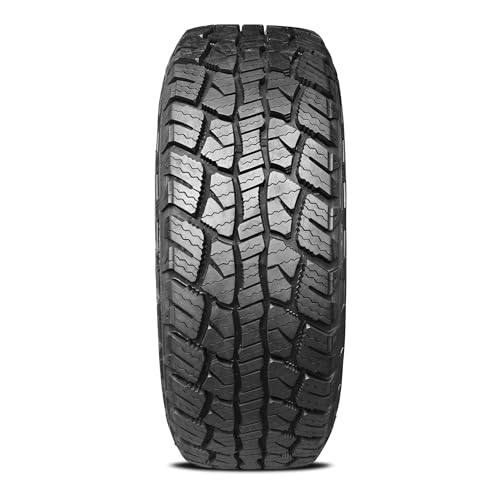
Nexen Roadian ATX 275/55R20 (117T XL)

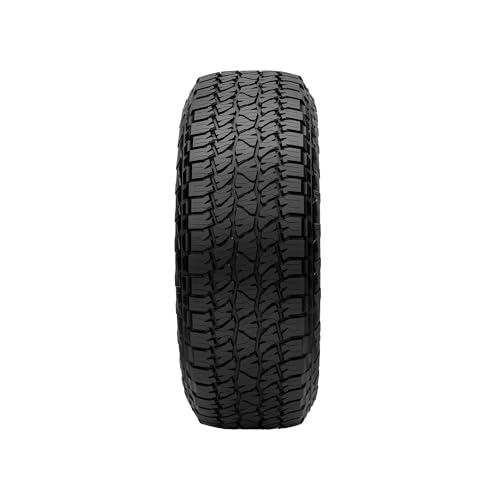
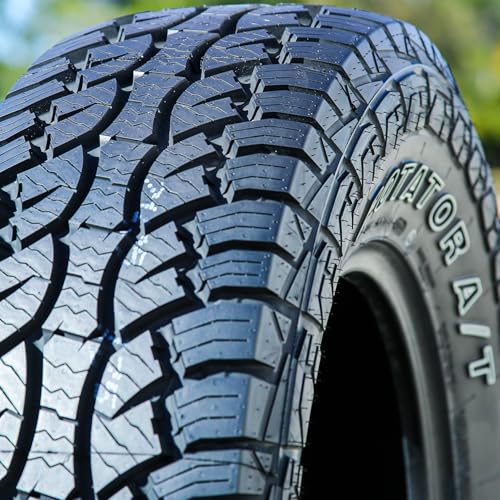
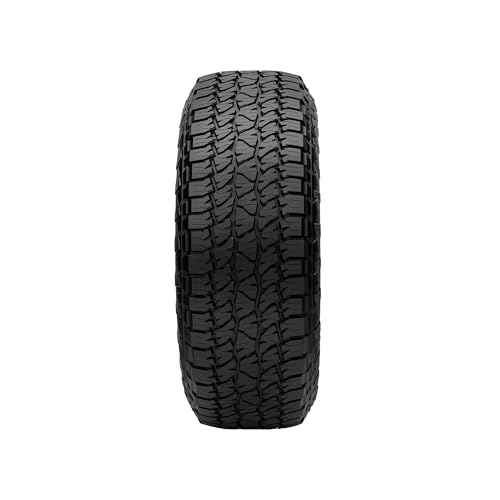
The Nexen Roadian ATX is a rugged all-terrain tire sized just right for many late-model F-150 trims. It brings a deep, blocky tread with strong biting edges and dense siping. That design helps it dig into snow and clear slush. It is also built for load with a 117 XL rating, which suits trucks that haul or tow on winter roads.
In real use, this tire trades a touch of on-road hush for year-round grip. Snow traction is solid for an A/T, and the shoulder lugs help you claw out of ruts. Ice grip is fair, which is expected for an all-terrain; slow it down on glare ice. Many sizes of the ATX carry the 3PMSF icon, but always confirm your exact size’s rating to meet local laws.
Pros:
- Confident snow traction for an all-terrain tire
- 117 XL load rating suits F-150 payload needs
- Strong shoulders help with ruts and packed snow
- Good slush clearing and hydroplane resistance
- Durable carcass for work sites and gravel
Cons:
- Not a dedicated winter tire for severe ice
- Some road noise at highway speeds
- 3PMSF availability varies by size; verify before you buy
My Recommendation
If you want the best snow tires for f150 style use yet still wheel a true A/T, this is a strong value. It fits daily drivers who also hit dirt or job sites. It is a good match for owners who need solid winter grip without swapping sets. If you face frequent ice, pair it with snow socks for rare storms.
| Best for | Why |
| Mixed snow and dirt | Deep lugs and siping bite in snow and off-road slop |
| Work trucks | 117 XL load rating handles payload and towing in winter |
| One-tire solution | Year-round A/T with strong cold-weather traction |
Crosswind Trail Traxx A/T 235/70R16 (106S)

This Crosswind Trail Traxx is a wallet-friendly A/T that fits older F-150s running 16-inch wheels. The tread is open and blocky for loose terrain. It has siping across the blocks to help in light snow. For a budget tire, the pattern clears slush well at city speeds.
It is M+S rated, which is common, but most sizes do not carry the 3PMSF severe-snow icon. On packed snow, it holds its own if you drive smooth and keep speeds modest. On ice, take extra care and add weight in the bed if allowed by your manual. For the price, it is hard to beat for basic winter needs.
Pros:
- Low price for a full A/T pattern
- Decent snow traction in neighborhoods and back roads
- Open channels move slush off the contact patch
- Predictable handling at modest speeds
- Good option for older F-150 fitments
Cons:
- Not 3PMSF in most sizes; check local chain laws
- Ice braking lags behind premium choices
- Higher noise as tread wears
My Recommendation
On a tight budget, this tire can serve if your winters are mild to moderate. It suits an older F-150 that does short trips in snow and avoids long ice-covered highways. To bridge big storms, keep a set of snow socks in the cab. If you want the best snow tires for f150 level grip in harsh climates, step up to a 3PMSF all-weather or a true winter tire.
| Best for | Why |
| Budget builds | Affordable A/T with helpful siping for light snow |
| Older F-150s | 16-inch sizing fits base wheels common on past models |
| Light winter use | Works for city slush and short commutes |
Pirelli Scorpion WeatherActive 275/55R20 (113H)

The Pirelli Scorpion WeatherActive is an all-weather SUV/truck tire. It carries the 3PMSF severe-snow symbol, so it counts in many mountain pass rules. The tread uses high sipe density and winter-ready compound that stays pliable in the cold. It behaves like a winter tire in snow yet drives like an all-season on dry roads.
This is my top one-tire pick for many F-150 owners. It brakes well in snow, tracks straight in slush, and holds grip on cold wet pavement. On ice, it is better than most all-terrains but still not a studded tire. Road noise is low and ride comfort is great for a 20-inch fitment.
Pros:
- 3PMSF severe-snow rated for real winter use
- Strong snow braking and acceleration for a non-studded tire
- Comfortable, quiet ride on highways
- Great cold-wet grip and hydroplane resistance
- No need to swap tires seasonally in many climates
Cons:
- Not as grippy on ice as dedicated studded winters
- All-weather compounds can wear faster in extreme summer heat
- Price is higher than basic all-terrains
My Recommendation
If you want the best snow tires for f150 daily life without swapping sets, choose this. It is ideal for mixed winter conditions: snow, slush, rain, and dry cold. It fits family trucks, work commuters, and light towing. If you hit true ice storms, keep snow socks ready for the worst days.
| Best for | Why |
| All-weather, all-year | 3PMSF winter grip with all-season comfort and noise |
| Daily commuters | Stable snow braking and quiet highway manners |
| Pass compliance | Severe-snow rating often meets chain control rules |
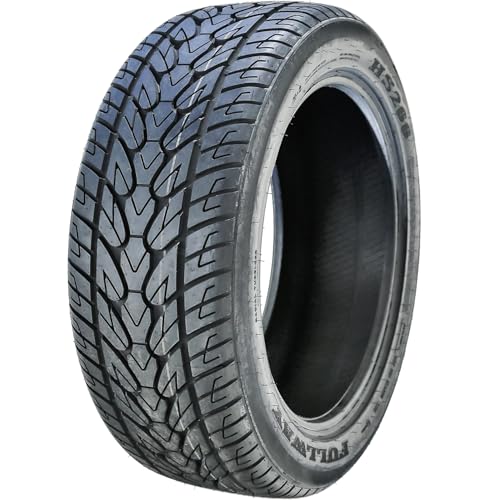
Nexen Roadian GTX 275/55R20 (113H)

The Nexen Roadian GTX is a highway all-season built for long life and a quiet ride. It carries an H speed rating and touring-style tread. It does fine in light snow thanks to zig-zag sipes and circumferential grooves. The real strengths are comfort and fuel-friendly rolling resistance.
It is not a severe-snow tire, so use it in milder winters. On plowed roads with a dusting, it behaves well. In deeper snow, traction control will work more, so keep speeds down and plan longer stops. For southern or coastal climates with rare snow days, it is a sensible, affordable choice.
Pros:
- Smooth, quiet ride for long highway trips
- Good value and even tread wear
- Light snow capability for mild winters
- Stable handling in rain with good water evacuation
- Comfortable over broken pavement
Cons:
- Not 3PMSF; not for harsh winters or mountain passes
- Ice and packed snow grip trail all-weather options
- Will need traction aids in big storms
My Recommendation
Pick the Roadian GTX if you live where snow is rare and roads get cleared fast. It is for drivers who value a calm ride and long tread life over raw winter bite. Add snow socks to cover those odd ice mornings. If you ask me for the best snow tires for f150 in cold, snowy states, I point you to all-weather or dedicated winter options instead.
| Best for | Why |
| Mild winters | All-season pattern with enough siping for light snow |
| Highway comfort | Quiet, smooth ride and stable handling |
| Budget touring | Good price-to-wear balance for daily use |
K&K Auto Snow Socks Pro Series 3XL (2 pcs)

Snow socks are fabric traction devices you slip over your drive tires in a storm. This K&K Pro Series 3XL set is sized for larger truck tires. The woven surface increases friction on packed snow and ice. They are light, fold small, and install faster than many chains.
I keep a set like this in my truck during winter. They get you out of a stuck spot or over a pass when rules require traction aids. They are not for long highway use and wear fast on bare pavement. But as an emergency tool, they are gold.
Pros:
- Quick to install in a snowstorm
- Packs small; easy to store in the cab
- Approved chain alternative in many areas
- Excellent bite on packed snow and slick driveways
- Won’t clank or scratch like metal chains
Cons:
- Not for dry pavement; fabric wears fast
- Lower speed limits than chains
- Only for short-term emergency use
My Recommendation
These are a smart add-on for any setup. If you run all-season or all-terrain tires, snow socks bridge the worst days. If you already have the best snow tires for f150 driving, socks still help with ice or steep driveways. Check sizing against your exact tire size and keep them dry between uses.
| Best for | Why |
| Emergency traction | Quick install and strong bite on packed snow/ice |
| Chain control days | Approved alternative in many regions |
| Space-limited kits | Lightweight and compact for under-seat storage |
Buying Guide: How I Pick the Best Snow Tires for F-150
- Start with your winter. Be honest about snow depth, ice frequency, and plow timing. The best snow tires for f150 needs in Minnesota differ from those in Tennessee.
- Know your symbols. 3PMSF means severe-snow rating based on lab testing. M+S means mud and snow, but not severe snow. For storms and mountain passes, 3PMSF is the safer bet.
- Check your size and load index. Most newer F-150s use 275/55R20, 275/65R18, or 265/70R17. Some older trucks run 235/70R16. Match load index to your door jamb label or higher. Do not go lower. The best snow tires for f150 trucks keep that index equal or higher.
- Compound matters. Winter and all-weather tires use cold-optimized rubber that stays soft under 45°F. All-terrains vary. Some use stiffer compounds that harden in deep cold. Soft rubber grips ice better but can wear faster in summer heat.
- Sipes are your friends. Thin zig-zag cuts create extra edges on ice. High sipe density improves snow and ice bite. Look for full-depth sipes so grip lasts as the tire wears.
- Tread pattern. Narrower blocks with lots of sipes and channels help with packed snow and slush. Open shoulders on A/T tires help in deep snow but can add noise.
- Avoid mixing tire types. Run four of the same tire model. Mixing patterns weakens winter traction and stability, especially when braking.
- Mount winter-ready tires on all four corners. Even in 4×4, front-end grip matters for steering and stopping. The best snow tires for f150 performance is a full set, not only the rear axle.
- Air pressure. Cold drops PSI. Check monthly and set to the door jamb spec when cold. Under-inflation hurts braking. Over-inflation reduces the contact patch.
- Break-in and rotation. New tires need about 500 miles to seat. Rotate every 5,000 to 7,500 miles for even wear. Winter grip fades if the front pair cups or the rear pair wears flat.
- Chains vs socks. Chains bite best but take time to fit and can damage roads. Socks fit fast but are for short hops. Both can save the day when storms hit. Pair them with the best snow tires for f150 traction and you are set.
- Consider a winter set. If you live with long winters, a set of dedicated winter tires like premium studless models (think heavy siping and soft compounds) will still beat all-terrain and all-weather tires on ice. Swap in spring. Store them cool and dry. Label positions for rotation next season.
What About Studded Tires for an F-150?
- Studded tires grip ice better than any non-studded option. They also make more road noise and can be illegal or restricted in some states and cities during certain months.
- Modern studless winter tires use multi-cell compounds to approach studded ice grip with less noise. Many owners find that the best snow tires for f150 daily driving are studless or all-weather, not studded.
- If you tow on icy mountain roads, studs can still be worth it where legal. Drive slower. Avoid dry pavement when you can.
All-Weather vs All-Terrain vs Winter Tires
- All-weather: 3PMSF severe-snow rating. Daily-driver comfort. Great for mixed conditions. If you only want one set, this is often the best snow tires for f150 compromise.
- All-terrain: Bigger blocks and tougher carcasses. Good in deep, loose snow. Not as grippy on ice. Noise can be higher. Check for 3PMSF on your exact size if you want pass compliance.
- Dedicated winter: Softest compounds and the most siping. Best ice and snow braking. Swap out when temps rise. For the harshest winters, these are the best snow tires for f150 safety and control.
Fitment Notes for F-150 Owners
- Always confirm size, load index, and speed rating in your door jamb and manual. Match the OE rating or go higher. Do not underspec.
- 275/55R20 is common on Lariat, King Ranch, and Platinum trims. 275/65R18 and 265/70R17 show up on XLT and FX4 packages. Older XL work trucks may use 16-inch wheels like 235/70R16.
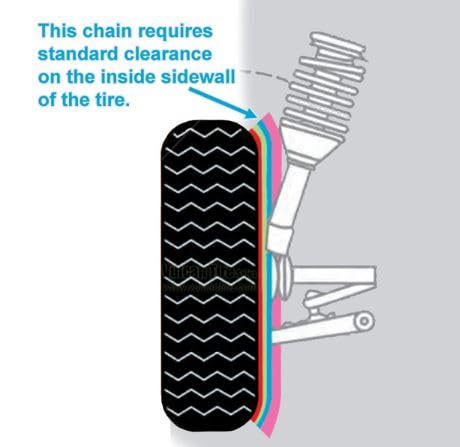
- Wheel width and offset matter. Oversized tires can rub. If you run snow socks or chains, test clearances on your driveway before a storm. The best snow tires for f150 driving still need proper clearance to avoid fender and brake line damage.
How I Judge Winter Performance
- Snow acceleration: Can it move from a stop with minimal slip?
- Snow braking: Short, straight, and stable stops matter most.
- Slush planing: Does it stay planted at 35–50 mph in rutted slush?
- Ice behavior: Predictable slide and recovery at low speeds.
- Cold wet grip: Many winter crashes happen in 34–40°F rain. A top tire holds here too.
- Noise and comfort: A winter win that you can live with daily.
- Tread life: Good winter tires should last several seasons if rotated and stored well.
I weigh all these and look at independent test data and owner feedback from recent winters. Then I match them to how people actually drive a truck. The best snow tires for f150 owners blend safety, value, and everyday comfort.
Winter Driving Tips for F-150 Owners
- Use gentle throttle and smooth steering. Modern traction control helps, but it cannot change physics.
- Increase following distance. Double it in snow. Triple it on ice.
- Brake earlier and lighter. Let ABS work in a straight line.
- Keep a winter kit. Snow socks or chains, shovel, traction mat, gloves, hat, headlamp, and a blanket.
- Add bed weight only if your manual allows it. Secure it well. Even 100–200 pounds can help rear traction on RWD trucks in snow.
- Remember: 4×4 helps you go. The best snow tires for f150 trucks help you stop and turn too.
Cost vs Safety: Where to Spend
- Tires are your only contact with the road. Upgrading to a 3PMSF all-weather often cuts winter stopping distance by car-lengths compared to basic all-seasons.
- A good all-terrain helps with deep snow if you also go off-road. A premium all-weather helps most drivers most of the time.
- Snow socks are cheap insurance. They are not the best snow tires for f150 use by themselves, but they cover the rare worst case.
Maintenance That Protects Winter Grip
- Check tread depth. Below 6/32", snow traction falls fast. Below 4/32", plan a replacement. The best snow tires for f150 style braking need fresh edges.
- Clean and inspect. Remove small stones. Check sidewalls for cuts after worksite days.
- Align annually. Toe-out or camber wear robs your sipes and blocks of bite.
- Store winter sets cool and dark. Bag them. Keep off concrete floors.
Real-World Matching: Who Should Buy What
- City commuters with steady snow: Pick a 3PMSF all-weather like Pirelli Scorpion WeatherActive. It delivers the best snow tires for f150 daily life without the noise of an A/T.
- Rural drivers, plowed gravel, and job sites: Nexen Roadian ATX fits. It is the best snow tires for f150 owners who mix dirt and snow and want one set all year.
- Mild winters with rare snow: Nexen Roadian GTX is fine. Add snow socks for the two bad days that show up each year.
- Tight budgets: Crosswind Trail Traxx A/T gets you decent snow traction for less. Drive with care on ice. Upgrade when you can.
- Emergency-only traction: K&K Snow Socks Pro Series. Keep them under the seat. They save you when the pass lights go on.
FAQs Of best snow tires for f150
Are all-weather tires good enough for an F-150 winter?
Yes, for many climates. 3PMSF all-weather tires brake and turn much better in snow than basic all-seasons. They are a strong one-set choice.
What tire size do most newer F-150s use?
Many trims use 275/55R20 or 275/65R18. Some use 265/70R17. Always check the door jamb sticker to be sure.
Do I need 4 tires or just 2 on the drive axle?
Run four. Mixing old and new or snow and non-snow tires hurts control. Four matching tires give the best snow tires for f150 stability.
Are snow socks legal where chains are required?
Often, yes. Many states accept approved fabric devices. Check local rules. Keep speed low when using them.
How often should I rotate winter-capable tires?
Every 5,000–7,500 miles. Regular rotation keeps sipes and edges even, which improves winter grip and tread life.
Final Verdict: Which Should You Buy?
The Pirelli Scorpion WeatherActive is the best overall pick for most F-150 owners. It is 3PMSF rated, grips well in snow, rides quiet, and works year-round.
If you want the best snow tires for f150 driving without swapping sets, go Pirelli. Need ruggedness? Choose the Nexen ATX and pack snow socks.