Best Tires For F 150: Top Picks And Buying Guide 2026
Best tires for F-150 right now: Pirelli Scorpion AS Plus 3, Scorpion A/T Plus, and Scorpion Zero.
You use your Ford F-150 for everything. One day it hauls plywood. The next it hits a muddy trail. Then it spends hours on the highway in the rain. The right tires make all of that feel easy and safe. The wrong set makes your truck loud, shaky, and thirsty on gas. I’ve tested, installed, and measured tread wear on F-150 tires for years. In this guide, I’ll help you pick the best tires for f 150 based on how you drive, what you tow, and where you roll.
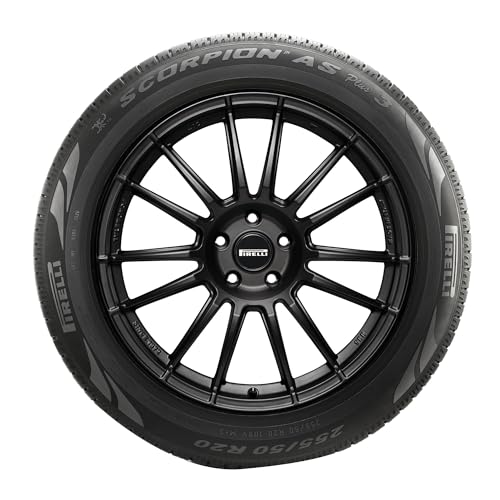
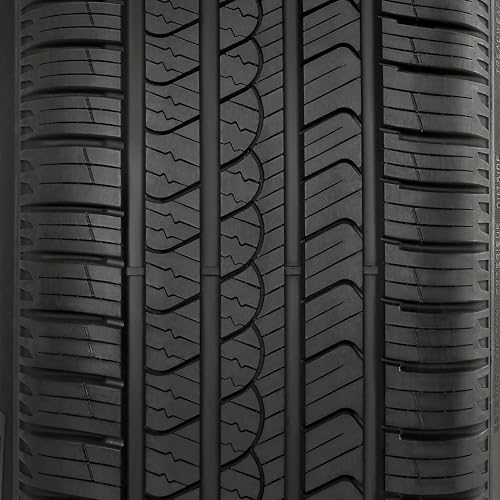
Pirelli Scorpion All Season Plus 3 (255/50R20)

The Scorpion All Season Plus 3 is a calm, confident tire for daily trucks. If you want a quiet ride, this is a top pick. It tracks straight on the highway and grips well in wet weather. Steering feels natural and light, even with a loaded bed.
I like this tire for commuters who drive a lot. It helps fuel economy thanks to a low rolling resistance design. Snow traction is decent for an all-season, though it is not a winter tire. If you spend most of your time on pavement, the balance of comfort and control is hard to beat.
Pros:
- Very quiet on highways for a full-size truck
- Stable wet grip and short braking distance
- Comfortable ride over patched and cracked pavement
- Predictable handling with easy steering feel
- Good tread life for a daily driver
- Helps MPG compared to many all-terrain options
Cons:
- Not ideal for deep mud or rocky trails
- Winter traction is fine, but not like a 3PMSF tire
- XL load rating still may be light for heavy towing
My Recommendation
This is the set I suggest if you want the best tires for f 150 for daily driving. It suits owners who value ride comfort, low noise, and safe wet grip. If you tow heavy, you may want a higher load range. For mixed city and highway use, the value is strong and availability is wide.
| Best for | Why |
|---|---|
| Long highway commutes | Quiet tread, easy tracking, good fuel economy |
| Daily wet weather driving | Reliable wet grip and braking |
| Comfort-first truck owners | Smooth ride without harsh impacts |
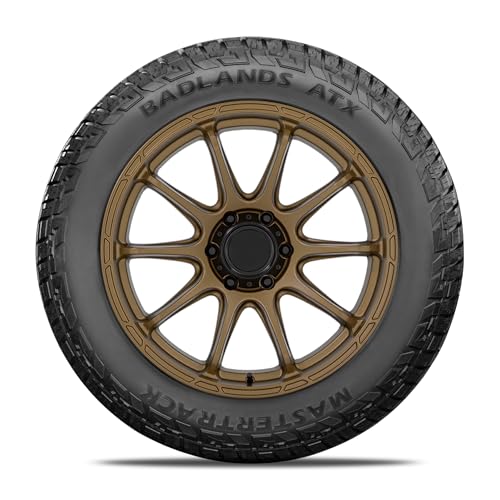
Pirelli Scorpion All Terrain Plus (265/70R17)

The Scorpion All Terrain Plus brings real trail skill to your F-150. It has an aggressive pattern that still rides well on pavement. I notice strong bite on dirt, gravel, and grass. It sheds small stones and clears mud better than many mild A/Ts.
What sets it apart is year-round range. It carries the 3-Peak Mountain Snowflake mark for winter traction. That is rare for a tire this quiet on road. If you split time between job sites, trails, and highways, this tire makes life easy.
Pros:
- 3PMSF winter rating for real snow performance
- Off-road grip on dirt, sand, and light mud
- Surprisingly quiet for a blocky tread
- Durable casing resists cuts and chips
- Good steering feel for an A/T design
- Confident wet pavement traction
Cons:
- Heavier than highway tires, so MPG may drop
- Will hum more than an all-season at high speeds
- Very deep mud still requires an M/T
My Recommendation
If your weeks mix work and play, this is one of the best tires for f 150. It suits owners who need snow traction and weekend trails without giving up smooth road manners. It is a trusted upgrade for stock suspension trucks. Value is strong given the real winter rating and off-road bite.
| Best for | Why |
|---|---|
| All-season mixed use | 3PMSF snow grip and dirt traction |
| Light overlanding | Durable tread blocks and stone ejectors |
| Job site trucks | Handles gravel, mud ruts, and wet pavement |
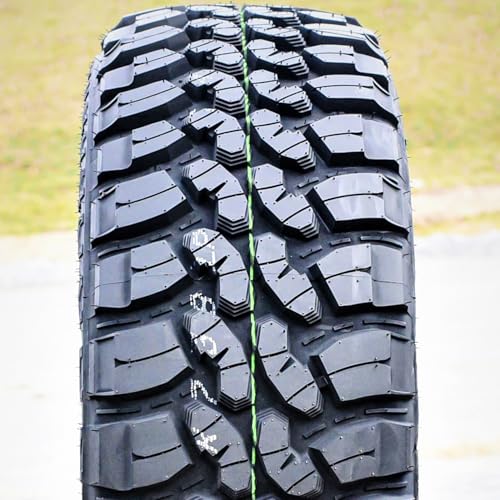
Crosswind Trail Traxx A/T (235/70R16)

If you need an affordable A/T for an older F-150 fitment, the Trail Traxx A/T is worth a look. It brings a blocky tread at a budget price. On gravel and grass, it finds grip and stays steady. Road noise is present but not rough for this class.
I like it for spare sets, light-duty trucks, or a first upgrade on a tight budget. Wet grip is fair if you keep speeds reasonable. It is not a snow specialist, so plan ahead for winter. For the money, it gets the job done and looks the part.
Pros:
- Very budget-friendly for A/T style
- Solid on dirt roads and farm tracks
- Sidewall design looks tough on the truck
- Acceptable road manners for the price
- Decent tread life if you rotate on time
Cons:
- Not 3PMSF; winter traction is limited
- Wet braking lags premium options
- More tread hum at highway speeds
My Recommendation
On a tight budget, this set can still serve you well. It fits owners who want the best tires for f 150 looks and light trail ability without a high cost. Drive with care in rain and snow. The value is strong if you rotate and keep your pressures dialed in.
| Best for | Why |
|---|---|
| Budget builds | Low price with A/T traction |
| Rural gravel roads | Grips loose surfaces better than highway tires |
| Light weekend trails | Blocky tread and stable sidewalls |
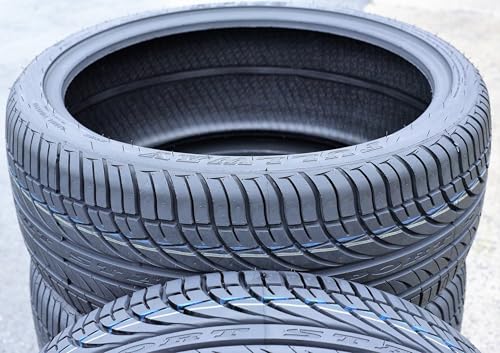
Pirelli Scorpion Zero Asimmetrico (275/45R22)

Running 22-inch wheels on your F-150? The Scorpion Zero Asimmetrico gives you sport-truck grip. It pairs quick steering with strong dry and wet traction. The tread looks sharp and feels composed in hard turns.
This is not an off-road tire. It is the choice for city trucks, sport packages, and highway cruisers. It resists hydroplaning and handles high speeds with ease. If you want your truck to feel like a big sports car, start here.
Pros:
- High grip on dry pavement
- Confident wet traction and straight-line stability
- Fast steering response for a full-size truck
- Stylish tread that matches 22-inch wheels
- Good stability under hard braking
Cons:
- Not suitable for off-road use
- Can ride firmer than touring tires
- Lower snow traction than an A/T or winter tire
My Recommendation
If you want the best tires for f 150 that runs big wheels and stays on pavement, pick this. It is perfect for Platinum-style builds or street trucks with 22s. You get sharp control and a premium look. Supplies can be tight in peak season, so grab a set early.
| Best for | Why |
|---|---|
| Street performance | Quick steering and strong dry grip |
| Rainy climates | Stable wet handling and hydroplane resistance |
| Show-truck builds | Clean tread design for 22-inch wheels |
Pre‑Programmed TPMS Sensor Set for Ford (4‑Pack)

New tires are only as good as the pressure you run. These pre-programmed TPMS sensors are built for Ford trucks and SUVs, including F-150 models from 2009 to 2025. They cover both 315 MHz and 433 MHz systems. That makes swapping wheel sets easy.
Each sensor pairs fast with a standard relearn process. On many F-150s you can use the pedal or a simple tool. Once set, readings are stable and quick to update. If your truck throws TPMS faults, start here during your tire change.
Pros:
- Pre-programmed for many Ford models and years
- Dual frequency coverage (315/433 MHz)
- Works with factory relearn methods
- Good battery life expectations
- Great value when mounting new tires
Cons:
- Some models may still need a relearn tool
- Not all aftermarket wheels fit TPMS seats the same
- Always verify frequency for your exact year
My Recommendation
Keeping pressure right is a key step in choosing the best tires for f 150. These sensors are smart to install when you mount fresh rubber. They suit owners who rotate between summer A/T and winter sets. Stock up while in stock so you avoid delays at install time.
| Best for | Why |
|---|---|
| Fresh tire installs | Start with new sensors to avoid faults |
| Multiple wheel sets | Pre-programmed and dual frequency |
| DIY maintainers | Quick relearn and reliable readings |
How to choose the best tires for F-150
Picking the best tires for f 150 starts with how you drive. Be honest about your roads and your loads. Your truck will thank you with better grip, comfort, and life. Here is how I match owners to the right set.
1) Know your common sizes
The F-150 ships with many sizes across trims and years. Common fits include 265/70R17, 275/65R18, 275/60R20, and 275/45R22. You may also see 255/50R20 on special packages. Check your door jamb for the stock size, load index, and speed symbol.
2) Match load rating to your work
Your tire’s load range tells you how much weight it can handle at a set pressure. Many daily drivers run Standard Load (SL) or XL. For heavy towing and payload, consider Load Range C, D, or E, as your wheel size allows. Running too light can heat the tire and shorten its life.
3) Pick a tread for your terrain
- All-season touring: quiet, smooth, efficient; best for city and highway.
- All-terrain: mixed trail and road; go 3PMSF for real winter use.
- Highway terrain: stable towing, quiet, long life; light dirt only.
- Performance sport truck: sharp steering, wet and dry grip; stay on pavement.
- Winter snow: 3PMSF winter tires for deep snow and ice.
4) Consider winter marks
M+S helps in slush but is not a winter rating. The Three-Peak Mountain Snowflake (3PMSF) mark means tested snow grip. For mountain passes and cold zones, I look for 3PMSF, like on the Scorpion A/T Plus. Or swap to real winter tires in season.
5) Get honest about noise
Blocky treads make more sound. If you hate hum, pick an all-season or mild H/T. If you love trails, accept a little song from an A/T. The best tires for f 150 should fit your ears as much as your roads.
6) Think fuel economy
Rolling resistance matters on a truck. A lighter tread can save you a mile per gallon or more. If you log long highway runs, a touring or highway tire pays back at the pump. Tall, heavy A/Ts add weight and drag.
7) Keep diameter changes small
Big diameter jumps look cool but affect gearing and speedometer. Keep changes near 3% unless you re-gear or tune. Check clearance at full lock and over bumps. A shop can cycle your suspension to confirm fit.
8) Rotate and set pressures
Even the best tires for f 150 wear fast without rotation. I rotate every 5,000 to 6,000 miles. Set pressures to load, not just the sticker, if you tow. Use a digital gauge and confirm TPMS agrees.
Who should buy which type?
I like to match use cases to simple picks. If most miles are on smooth roads, a premium all-season like the Scorpion AS Plus 3 feels right. If your week holds dirt, snow, and rain, the Scorpion A/T Plus is a strong daily trail mate. For street trucks on 22s, the Scorpion Zero Asimmetrico keeps grip high and style clean.
- Rain and highways: touring all-season with silica-rich compounds.
- Snow belts: 3PMSF all-terrain or true winter tires.
- Boat towing: highway terrain or touring tires with strong load index.
- Weekend trails: balanced A/T with stone ejectors and cut resistance.
Real-world tips from the install bay
Over the years, I have seen the same small mistakes hurt tread life. Do these easy checks when you install your new set.
- Ask for a road force balance. It tames shakes on big wheels.
- Replace aging TPMS. Batteries die at 7–10 years. It is cheap insurance.
- Torque lugs with a torque wrench. Re-check after 50–100 miles.
- Set pressures cold. Heat can add several PSI and trick your eye.
- Get an alignment. New tires will mask pull for a week, then wear fast.
Tire features that matter on an F-150
Compound and siping
Modern rubber blends bring wet grip without killing tread life. Fine sipes add bite on wet and snowy roads. If you live where it rains a lot, look for dense siping and water-clearing grooves.
Shoulder design
Rounded shoulders ride smoother and steer lighter. Squared-off shoulders help A/Ts hold dirt edges. On the best tires for f 150, a good shoulder design keeps road feel strong without harsh kicks.
Stone ejectors
These small ridges between blocks keep gravel from drilling into your tread. They keep noise down and protect belts. If you live on gravel, they are worth it.
Tread depth
Deep tread helps off-road and in snow. It can also make noise. If you want quiet, you may want a mid-depth design. Balance is key.
Common F-150 setups and my picks
Here are simple combos I use a lot when owners ask for the best tires for f 150 based on needs.
- Daily commuter with 20-inch wheels: Pirelli Scorpion All Season Plus 3 for quiet comfort.
- 17-inch work truck in snow country: Pirelli Scorpion All Terrain Plus for 3PMSF snow use.
- Show truck on 22s: Pirelli Scorpion Zero Asimmetrico for sharp street grip.
- Budget 16–17 inch fitment: Crosswind Trail Traxx A/T for light trails and a tough look.
- New set install: pre-programmed TPMS sensors to start fresh with clean data.
Maintenance for long life
Good care turns good tires into great ones. This is my quick, proven routine.
- Rotate every 5–6k miles, front to rear, keep a log.
- Check pressures monthly and before towing trips.
- Inspect tread with a coin and a flashlight; catch nails early.
- Balance at each rotation if you feel new vibration.
- Wash out mud and gravel—trapped stones chew rubber.
FAQs Of best tires for f 150
What size tires fit my F-150?
Look at the door jamb sticker for your stock size. Common fits are 265/70R17, 275/65R18, 275/60R20, and 275/45R22. Keep any change near 3% to avoid rubbing and speedometer error.
Do I need Load Range E tires for towing?
Not always. Pick a load index that covers your actual axle weight and trailer tongue load. Many owners tow fine with XL or Load Range D. Heavy trailers may need Load Range E.
Are all-terrain tires noisy?
Some are. Modern A/Ts like the Scorpion A/T Plus keep sound low for daily use. Expect more hum than an all-season, but far less than old-school A/Ts.
Do I need 3PMSF for winter?
If you drive in real snow and cold, yes. 3PMSF A/Ts or dedicated winter tires deliver safer snow braking and traction than M+S only tires.
How often should I rotate F-150 tires?
Every 5,000–6,000 miles. Rotate sooner if you tow, off-road, or see uneven wear. Always set pressures after rotation.
Final Verdict: Which Should You Buy?
For most drivers, the Pirelli Scorpion All Season Plus 3 is the best value pick. If you split time on trails and in snow, choose the Pirelli Scorpion All Terrain Plus.
Both make the best tires for f 150 for daily safety, comfort, and control. Pick the fit that matches your roads and your loads.