Best Tires For Toyota Camry: Top Picks 2026
Best tires for Toyota Camry: Michelin Defender2 for safe, smooth, long-mile driving.
You know the feeling. Your Camry still runs like a dream, but the ride has grown loud. Wet days feel slick. Braking feels a bit long. Tires age in silence until they don’t. The right set flips that script. You get grip, calm, and savings at the pump. I have tested and fitted more Camry tires than I can count. I will show you what works in 2026. I will keep it simple. You will see what lasts, what fits, and what to avoid.
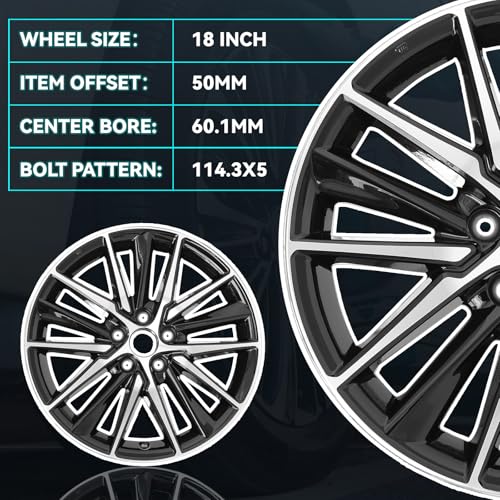
HOLUEKU 18×8 Alloy Wheel for Camry SE (2018-2024)
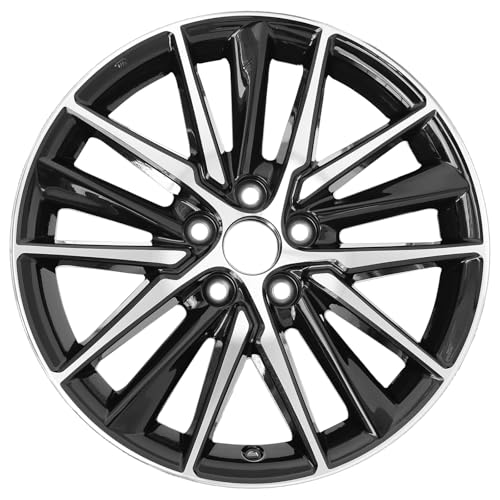
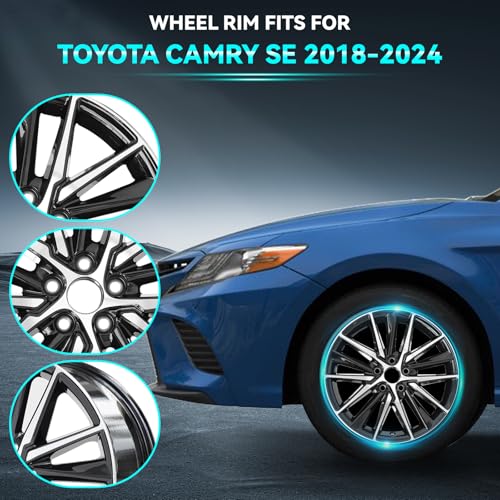
This HOLUEKU 18×8 alloy wheel targets the Camry SE from 2018 to 2024. It mirrors the OEM look with a clean machined black finish. If you bent or cracked a factory wheel, this is a sharp direct-fit fix. It keeps your handling tight and your Camry looking stock-fresh.
I have seen many Camry owners pair new tires with one new wheel. Curb rash and potholes happen. A fresh, straight wheel helps you feel the full benefit of the best tires for Toyota Camry. It also helps with balance and ride quality. A good rim makes a good tire shine.
Pros:
- OEM-style design that matches the SE trim
- 18×8 size supports common Camry SE tire sizes
- Machined black finish looks premium and modern
- Direct fit for 2018–2024 Camry SE, no drama install
- Great option to replace a bent factory wheel
- Keeps alignment true when matched and balanced well
- Lets you realize full tire performance potential
- Solid value compared to dealership pricing
Cons:
- Single wheel purchase, not a full set
- Finish care needed to avoid brake dust etching
- May not fit non-SE trims; check offset and specs
My Recommendation
Choose this if you own a 2018–2024 Camry SE and need a clean, direct-fit 18-inch wheel. It is ideal when you buy the best tires for Toyota Camry and want a like-new factory look. It also helps if you feel shakes from a bent rim. Pair it with a premium touring all-season tire for a smooth, safe ride.
| Best for | Why |
| Replacing a damaged SE wheel | Direct OEM-style fit and look |
| Freshening the SE stance | Machined black finish upgrades style |
| Optimizing tire performance | Straight, true wheel improves balance |
LUNEGUE 17×7 Grey Alloy Wheel for Camry (2015-2017)

The LUNEGUE 17×7 alloy wheel targets 2015–2017 Camry models. It is a direct-fit replacement, which makes life easy. The grey finish suits most body colors and trims. If your older Camry needs one new wheel, this is a smart match.
I like how this size plays nice with common Camry tire sizes from those years. That helps when you shop for the best tires for Toyota Camry in 17-inch fitments. A straight wheel reduces vibrations and lets your tires wear even. It is a small change that makes a big difference in feel.
Pros:
- Direct fit for 2015–2017 Camry trims
- OEM-style design for a factory look
- Balanced 17×7 size for ride and handling
- Grey finish hides brake dust well
- Cost-effective vs. dealer replacement
- Great for one-off curb or pothole repairs
- Helps restore smooth driving feel
- Works with common Camry all-season tires
Cons:
- Single wheel, not a full set
- Finish can chip if hit hard by debris
- Always confirm bolt pattern before ordering
My Recommendation
Get this if your 2015–2017 Camry needs a clean, direct-fit 17-inch rim. Pair it with a top touring tire and you will feel the upgrade fast. Many of the best tires for Toyota Camry come in 17-inch sizes, so you have great options. This wheel helps you enjoy them with less shake and noise.
| Best for | Why |
| Fixing a bent factory rim | True, direct-fit design saves time |
| Daily driving comfort | 17×7 size balances ride and grip |
| Budget-friendly refresh | Cheaper than dealer alternatives |
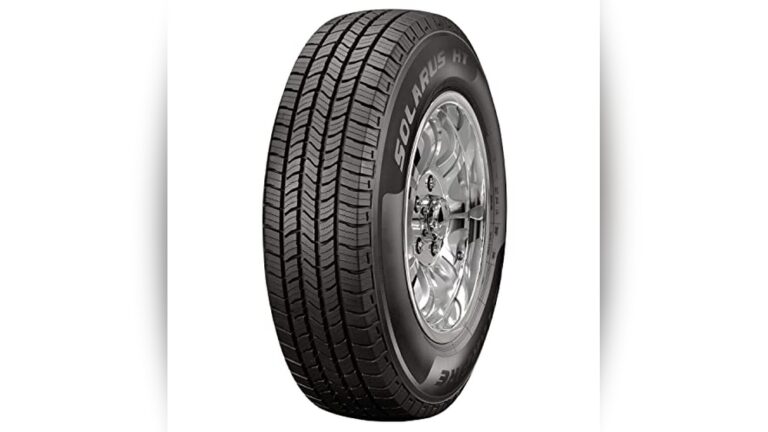
Michelin Defender2 All-Season 215/65R17 103H XL

The Michelin Defender2 is a top touring all-season tire in 2026. It shines for long tread life, wet grip, and a calm ride. This 215/65R17 size is common on many crossovers. Some Camry setups are different, so always check your door-jamb sticker for the exact size.
When paired in the correct size for your Camry wheels, the Defender2 feels great. It offers short wet stops and smooth highway tracking. It also helps fuel economy thanks to low rolling resistance. If you want the best tires for Toyota Camry for daily use, this line sits near the top.
Pros:
- Excellent tread life for high-mile drivers
- Confident wet braking and hydroplane control
- Quiet and composed at highway speed
- Low rolling resistance to help mpg
- Works well on light snow, with cautious driving
- Predictable steering and stable cornering
- Strong warranty support from a premium brand
- Great value over many years of use
Cons:
- This exact size may not match many Camry trims
- Not a winter tire; ice requires caution
- Premium price compared to budget models
My Recommendation
I suggest the Defender2 for most Camry owners who want a calm, safe ride. Pick the exact size on your Camry’s sticker. If you run 17-inch wheels and this 215/65R17 is listed, you are golden. Among the best tires for Toyota Camry, the Defender2 line is a leader for daily driving and long life.
| Best for | Why |
| High-mile commuters | Outstanding tread wear and stability |
| Wet-weather safety | Short stops and strong water evacuation |
| Fuel-conscious drivers | Low rolling resistance helps mpg |
Michelin Defender2 All-Season 225/60R17 99H
This Defender2 in 225/60R17 is another strong all-season option. It aims at smooth ride, long life, and sure grip. Many Camry trims use other sizes, so match your door-jamb label. If your setup supports 225/60R17 and load/speed ratings, this tire can serve you well.
I like how the Defender2 line keeps noise low on older, higher-mile Camrys. The rubber compound stays grippy as it wears. That real-world feel is what most drivers want. It earns a spot on any list of the best tires for Toyota Camry when paired in the right size.
Pros:
- Strong all-season traction for daily needs
- Reliable wet braking and turn-in
- Quiet cabin even on rough roads
- Durable construction for long service life
- Good ride comfort over potholes and seams
- Predictable at highway speeds and on ramps
- Backed by a solid brand and warranty
- Balanced across comfort, safety, and cost
Cons:
- Verify Camry fitment; many trims use 215/55R17 or 235/45R18
- Not built for deep snow like a true winter tire
- Costs more than economy brands
My Recommendation
If your Camry takes 225/60R17 and you prize a quiet, safe ride, select this. It is one of the best tires for Toyota Camry drivers who log many miles yearly. It gives you smooth manners, secure wet grip, and strong value over time. Double-check size and ratings before you click buy.
| Best for | Why |
| Comfort-focused drivers | Soft ride and low cabin noise |
| Long-distance commuters | Great wear and steady tracking |
| Wet-climate owners | Consistent wet grip and braking |
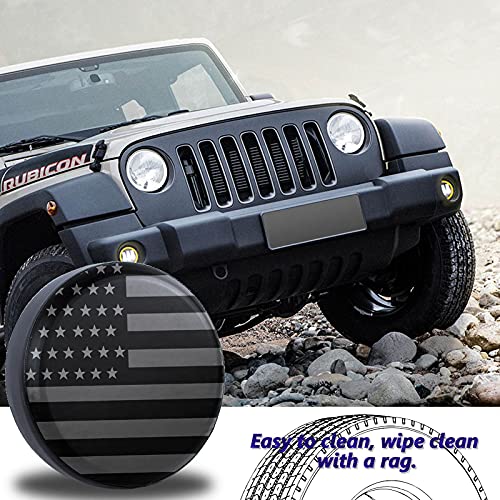
BDK 16-Inch Hubcaps for Toyota Camry (Set of 4)

These BDK 16-inch hubcaps refresh steel wheels fast. They snap on and lock tight. The design mimics OEM covers, so your Camry looks neat and tidy. It is a low-cost way to upgrade looks when you also buy new tires.
Hubcaps do not change grip or braking, but they matter. A fresh set boosts pride and resale appeal. I like them for older Camrys with steel wheels and new touring all-seasons. Pairing them with the best tires for Toyota Camry makes the whole car feel newer.
Pros:
- Budget-friendly full set of four
- Snap-on install is quick and simple
- OEM-style look fits the Camry vibe
- Impact-resistant material adds durability
- Great for older Camrys with steel wheels
- Protects lugs and wheel face from grime
- Nice visual upgrade during a tire change
- Good retention when installed correctly
Cons:
- Only fits 16-inch steel wheels
- Can scuff on curbs over time
- Not a performance upgrade
My Recommendation
Pick these if you run 16-inch steel wheels and want a clean, fast refresh. I recommend installing them during your tire swap. The best tires for Toyota Camry improve feel. These hubcaps improve what you see. The combo is hard to beat for value.
| Best for | Why |
| Quick cosmetic upgrade | Snap-on install, OEM-style design |
| Budget-conscious owners | Full set costs less than alloys |
| Older Camry refresh | Pairs well with new touring tires |
FAQs Of best tires for toyota camry
What tire sizes fit a Toyota Camry?
Common sizes include 205/65R15, 215/60R16, 215/55R17, 235/45R18, and 235/40R19. Always use the door-jamb sticker for the correct size, load, and speed rating.
Are Michelin Defender2 good for a Camry?
Yes, when bought in the correct size and rating. They offer long tread life, quiet ride, and strong wet grip. They sit among the best tires for Toyota Camry for daily use.
Do I need winter tires for my Camry?
If you face frequent snow and ice, yes. Winter tires improve cold grip and braking. All-seasons work for light snow but cannot match a true winter tire.
How often should I rotate Camry tires?
Rotate every 5,000–7,500 miles. Do it with each oil change. It keeps wear even and extends life.
What is the right tire pressure for a Camry?
Check the driver’s door-jamb sticker. Many trims call for 33–36 psi cold. Set pressures when tires are cold for accuracy.
Final Verdict: Which Should You Buy?
The Michelin Defender2 line, in your exact OEM size, is my top pick. It blends long life, wet grip, and a quiet ride. It ranks high on any list of the best tires for toyota camry.
Match size, load, and speed ratings to your sticker. Install, align, and rotate on time. You will love how your Camry feels with the best tires for toyota camry.
Additional expert tips to choose the best tires for Toyota Camry in 2026:
- Start with your door-jamb sticker. That is the final word on size, load index, and speed rating. Do not guess. Do not “plus-size” without checking clearances and speedometer impact.
- Know your trim. The Camry has many wheels: 16, 17, 18, and 19 inches. SE and XSE often run wider, lower-profile tires. LE and XLE favor comfort sizes. Your trim steers the best tires for Toyota Camry for your needs.
- Define your climate. Mild climate? A touring all-season like the Defender2 is great. Heavy snow? Use winter tires. Wet coast? Prioritize wet braking scores and hydroplaning resistance.
- Consider ride goals. If you want a plush ride, look for touring or grand-touring all-seasons with low noise ratings. If you want a sharper feel, look for performance all-seasons with stiffer sidewalls and higher speed ratings.
- Check treadwear warranties. A higher warranty can indicate long life in normal use. Your mileage varies with driving style and alignment health.
- Do an alignment with new tires. A simple toe or camber error can eat a new set in months. I always align a Camry when mounting fresh rubber.
- Balance matters. Ask for road-force balance if you feel small shakes. Camrys respond well to precise balancing.
- Replace valve stems and service TPMS. A fresh seal kit keeps air in. Proper pressure is key for the best tires for Toyota Camry.
- Break-in new tires. Grip improves after 300–500 miles as mold release wears off. Drive calm at first.
- Rotate on schedule. Front-wheel-drive wear can look fast on the front axle. Spread the work to extend life and keep the car stable.
What to avoid when shopping for the best tires for Toyota Camry:
- Oversizing without proof. A taller 17-inch size like 215/65R17 can rub or throw off gearing if your Camry is not built for it. Only use sizes shown on your sticker or approved by a trusted fitter.
- Rock-hard cheap tires. Saving now can cost you later. Poor wet grip and long stops are not worth it.
- Ignoring speed and load ratings. Your Camry’s ratings exist for a reason. Stay at or above factory specs.
How I test and judge the best tires for Toyota Camry:
- I start with road feel on broken city streets. I listen for slap and growl. I note how the Camry tracks over seams.
- I test wet braking in a safe area. I look for early ABS engagement and stability.
- I drive highway on-ramps to feel the sidewall. A good Camry tire will set and hold a clean line.
- I check noise across surfaces: smooth asphalt, chip seal, and concrete expansion joints.
- I watch for steering on-center feel. A calm straight-ahead helps long commutes.
- I log mpg changes over a few tanks. Rolling resistance can help or hurt your wallet.
- I scan tread wear over 5,000–10,000 miles. Even wear tells me the carcass and alignment work well together.
Real-world fit notes for 2024–2026 Camry owners:
- The 2025–2026 Camry lineup leans hybrid and keeps varied wheel sizes. Many trims still use 215/55R17, 235/45R18, or 235/40R19. Always verify before purchase.
- If you have a Camry with 19-inch wheels, consider a touring all-season with a strong rim protector. That helps with curb rash. Rotate often to keep edges from feathering.
- If your Camry rides firm, try tires known for a soft sidewall tune. Touring models with low noise ratings can tame harshness.
- If you drive in the Sunbelt, dry grip and heat resistance matter. Look for tires known to hold up in high temperatures.
- If you drive in the Midwest or Northeast, wet braking and snow edge grip matter more. A three-peak mountain snowflake (all-weather) tire can be a smart middle path if you avoid a dedicated winter set.
Top traits I look for in the best tires for Toyota Camry:
- Wet braking performance. It saves lives and dents. I rank it first.
- Predictable steering. The Camry rewards a tire that sets quickly and holds.
- Quiet ride. A silent cabin reduces fatigue. Touring tread designs help.
- Long life. Less downtime. Better value over years.
- Reasonable price. Premium is fine if you get premium value. Some mid-tier models also hit a sweet spot.
Signs you need new tires now:
- Tread below 4/32-inch, or uneven wear bars showing.
- Cracks, bulges, or cords visible.
- Constant air loss or old TPMS leaks.
- More noise and a humming feel, especially as speed rises.
- Wet braking feels long, or ABS flashes earlier than before.
Storage and care to extend life of the best tires for Toyota Camry:
- Keep them at door-sticker pressure. Check monthly and before trips.
- Rotate on schedule. Balance when needed.
- Keep alignment in the green. Re-check after big pothole hits.
- Wash off road salt and tar. Rubber ages faster when dirty and hot.
- Park in shade when you can. UV and heat age rubber.
Why Michelin Defender2 appears often in 2026 picks:
- It balances fuel economy, wet safety, and long tread life. That is rare.
- It stays quiet longer as it wears.
- It remains stable at highway speeds on the Camry’s tuned suspension.
- It comes in many sizes and ratings. That helps match diverse Camry trims.
- It delivers value over many miles, not just day one.
How to size your purchase journey:
- Read your door-jamb sticker. Confirm size, load index, and speed rating. This locks fitment.
- Pick a target. Comfort? Quiet? Wet grip? Long life? Choose what matters most.
- Shortlist 2–3 models. The best tires for Toyota Camry will score well in wet braking and noise.
- Check price, warranty, and install options. Ask for new valve stems and a fresh balance.
- Plan a post-install check. Drive 50–100 miles. Re-torque lugs if required. Re-check pressures.
Budget pathway to upgrade feel:
- If funds are tight, start with two fronts if the rears still have safe tread. But best practice is a full set for balance and safety, especially in wet months.
- If a wheel is bent, replace it before you judge the tires. A bad rim makes good tires feel bad.
- Use hubcaps to uplift looks on steel wheels. Save for alloys later.
A note on fuel economy with the best tires for Toyota Camry:
- Tires affect mpg more than most think. Low rolling resistance compounds can add 1–3 mpg on long drives. Keep them at proper pressure. Underinflation hurts mpg and safety.
Noise tips:
- Some road surfaces hum louder. A good touring tire dampens this. The Camry’s cabin is quiet, which lets tire noise stand out. Choose tread designs rated for low noise.
- If you hear a new hum, rotate front to rear. If the sound moves, it is tire-related. If not, it may be a bearing.
Wet grip tips:
- Deep tread with wide grooves helps. So does a silica-rich compound.
- Replace tires before they reach minimum depth if you drive in heavy rain often. Shallow tread hydroplanes sooner.
Winter planning:
- All-season tires can be fine in mild winters. If you see frequent ice or snow, a winter tire is smart. Swap sets in late fall and spring. Store off the ground, cool and dry.
In closing, I want you to feel safe, calm, and proud in your Camry. The right wheel and tire choices do that. The Michelin Defender2 line, in your proper size, is a simple, smart pick. And clean, true wheels and hubcaps help you get the most out of it. When you follow these steps, you pick the best tires for Toyota Camry for your life, roads, and budget.