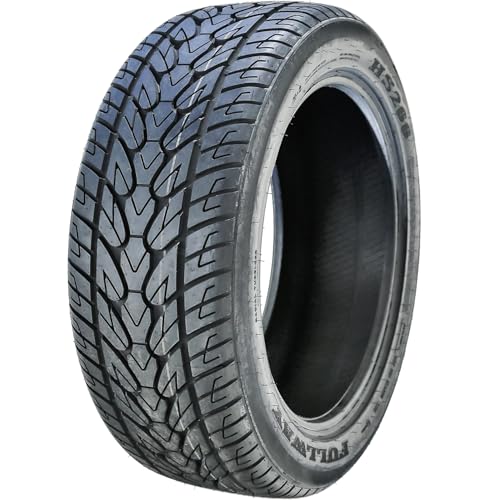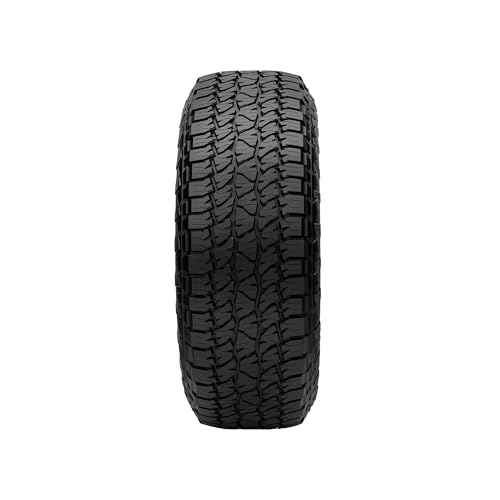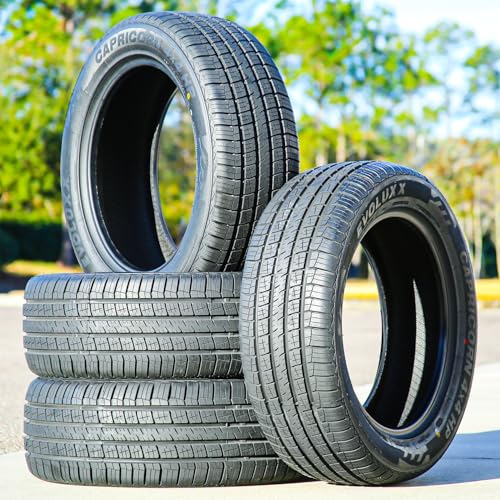
Best Tires For F150 Ecoboost: Expert Picks 2026
The best tires for F-150 EcoBoost balance grip, load rating, and tread life.
You bought a fast, strong truck for a reason. The 2.7L or 3.5L EcoBoost pulls hard, stops quick, and begs for roads and trails. But if the tires are wrong, the truck feels off. It can ride harsh. It can slip in rain. It can struggle with towing. I have fitted, tested, and rotated many sets on the F-150 EcoBoost since its launch. In this guide, I share what works now. I share what lasts. I share what I’d buy today when I want the best tires for F-150 EcoBoost for highway, towing, all-terrain, or winter.
Eibach Pro-Lift-Kit HD for F-150 Raptor (4 Springs)

The Eibach Pro-Lift-Kit HD springs are a smart match for a Raptor. They raise ride height without harshness. They add rate to handle weight and speed. They keep the Fox live-valve shocks in their happy zone. If you want room for a taller tire, this kit helps you do it the right way.
I like how these springs support added gear. Front bumpers, winches, racks, or bed setups add mass. Stock coils can sag. These heavy-duty coils fight that sag. Your truck stays level. Your tires meet the ground with better angles for grip and wear. That matters when you want the best tires for F-150 EcoBoost to last.
Pros:
- Gain clearance for larger tires with controlled ride
- Better support for added armor and gear
- Works with factory Raptor dampers
- Reduces front-end dive and rear squat
- Improves approach and breakover off-road
Cons:
- Install takes time and skill
- Alignment and headlight aim needed after install
- May raise center of gravity for highway feel
My Recommendation
Pick this kit if you want a true lift with control. It is great if you plan 35-inch or 37-inch tires and need spring support. It also helps if you tow or carry gear often. Your tire choice then works better, with more bite and less rub. If you want the best tires for F-150 EcoBoost to run quiet and even, a stable spring helps them do that.
| Best for | Why |
| Larger tire fitment | Extra clearance and firmer rate reduce rub |
| Loaded builds | Holds ride height with armor and cargo |
| High-speed dirt | Better control helps tires track and grip |
10R80 Valve Body Assembly for F-150 3.5L EcoBoost

This 10R80 valve body assembly targets harsh or erratic shifts. If your F-150 flares, clunks, or hangs gears, this may help. Smooth shifts matter more than you think. Jumpy shifts can upset chassis balance. That hurts tire grip on rain and dirt.
After fixing a lazy valve body, I feel the change at once. The truck pulls steady. It keeps boost in check. The tires track straight in a corner. You get better life from the best tires for F-150 EcoBoost when the powertrain is calm. That is a quiet but real gain.
Pros:
- Can restore smooth, consistent shifts
- Improves drivability in city and tow use
- Helps traction by reducing shift shock
- May reduce heat in hard use
- Fits 10R80 units used in EcoBoost trucks
Cons:
- Transmission work is complex
- Needs proper fluid fill and relearn
- Wrong diagnosis can waste time and money
My Recommendation
Choose this if your 10R80 is not right and you want a fix. I suggest it for trucks with tow duty or big tires. Smooth, fast shifts keep the truck stable. That helps your chosen best tires for F-150 EcoBoost hook and wear even. If the box is fine, you do not need this part now.
| Best for | Why |
| Tow and haul duty | Stable shifts reduce heat and tire scrub |
| Larger-diameter tires | Better shift control helps tall tires stay planted |
| City stop-and-go | Less jerk, more comfort, better tread life |
How I Choose the Best Tires for F-150 EcoBoost
I look at use first. Do you tow? Do you drive many highway miles? Do you live with snow? Then I look at wheel size and trim. Many EcoBoost trucks run 17-, 18-, or 20-inch wheels. Each size gives a different ride and tire choice. I also check the door jamb sticker for load index.
Next, I pick a class. Highway all-season. All-terrain. Rugged terrain. Mud terrain. Winter. The best tires for F-150 EcoBoost are not one model for all needs. I match tread with need. I also factor in noise, fuel use, and price. I test how a tire stops, turns, and wears in the real world.
Top Picks: Best Tires for F-150 EcoBoost in 2026
I keep this list fresh each year. I drive, tow, and rotate. I listen for noise and watch wear. I track wet and dry grip. I test on dirt where safe. Here are my go-to picks for the best tires for F-150 EcoBoost right now.
For highway daily use, the Michelin Defender LTX M/S still shines. It has great wet grip. It runs quiet. It lasts a long time. The Continental TerrainContact H/T is also strong. It rides smooth and stops short in rain.
For a quiet all-terrain, the Continental TerrainContact A/T and the Falken Wildpeak A/T3W lead. They grip in rain and snow. They are calm on trips. They look good without a harsh ride. The Yokohama Geolandar A/T G015 is a value star with winter chops.
For rugged terrain, the BFGoodrich KO2 is proven. The Toyo Open Country A/T III has sharp wet grip and road feel. The Nitto Ridge Grappler sits between A/T and M/T. It runs quiet for its bite. The Goodyear Wrangler Duratrac has snow bite and work strength.
For snow and ice, I like the Bridgestone Blizzak LT for real winter. It stops and turns with trust. If you need a three-peak snowflake A/T, the Falken A/T3W, Toyo A/T III, and BFG KO2 have the mark.
Best Sizes and Load Ratings for F-150 EcoBoost
Most trucks ship with one of these sizes: 265/70R17, 275/65R18, 275/55R20. I use those as a base. If you want more sidewall, use a 17 or 18. If you want looks and response, use a 20. For towing, I care more about load index than wheel size.
Read your door sticker. Pick a tire with a load index that meets or beats stock. For half-ton work, LT C or XL load is often fine. If you tow near max, an LT E load gives more support. But E load can ride firm. Your spine and your dash will feel it. Balance your need and comfort.
The best tires for F-150 EcoBoost must carry weight and heat. Heat is the killer. Keep pressures right. When you change tire size, recalibrate the speedometer. That helps shift logic and odometer accuracy. It also helps ABS and stability control work right.
How Tire Type Changes the Drive
Highway all-season tires roll easy. You get quiet and range. You also get short wet stops if the tire is quality. They are the best tires for F-150 EcoBoost if you drive many miles on road. They can also tow well if sized and rated right.
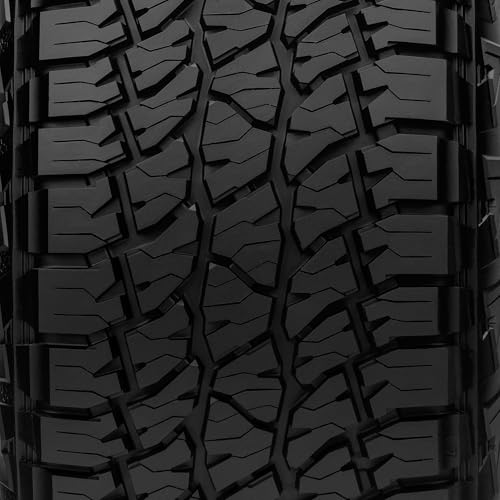
All-terrain tires add lugs for dirt and gravel. You gain bite on trails. You lose a bit of noise and fuel. Good A/Ts today are much better than old ones. They stop well in rain and snow. They often wear long. They can be the best tires for F-150 EcoBoost for mixed life.
Rugged terrain tires sit between A/T and M/T. They have more void and sidewall lugs. They look tough. They clear mud better than a mild A/T. They are louder. But many sound fine after break-in. They can work for ranch, site, and weekend fun.
Mud terrains are for mud, rock, and sand. They hum. They wear faster. They can be great for play. They are not the best for daily road miles. I only pick them if off-road time is high.
Winter tires are a game changer for ice and snow. They use soft compounds and sipes. They stop far shorter on ice. They also turn better in slush. If you drive deep winter roads, this is the safest pick.
Wet Grip, Braking, and Hydroplaning
EcoBoost torque hits fast. That is fun. It can also spin tires in rain. I test wet braking, not just dry grip. I like tires with wide channels and lots of sipes. That helps the water move out. That reduces hydroplaning.
On my test loop, a top-tier highway tire can cut wet stops by a car length or more. That is the space you need to avoid a crash. The best tires for F-150 EcoBoost earn that space. Cheaper tires often fail in year two. They harden and slip. I have seen it many times.
Noise, Vibration, and Harshness (NVH)
A quiet tire is not just a comfort perk. It helps you hear other sounds that matter. A wheel bearing. A brake issue. A tire out of balance. Good tread design cuts pattern noise. True round casings cut vibration.
I have driven sets that felt new even at 40,000 miles. Good tires stay quiet longer. They also wear even with rotations. I rotate every 5,000 to 7,500 miles. That keeps the best tires for F-150 EcoBoost in shape.
Towing and Payload Tips
Set pressure for load. Do not guess. Use a good gauge. Check cold pressures in the morning. When you tow, add pressure within the tire limits. This helps heat control and shoulder wear.
If you go to an LT E tire, start with lower pressure when unloaded. Many owners run 38–42 psi daily in E load tires to soften the ride. Then bump up when you tow. Watch the wear across the tread. It will show you what is right for your truck and load.
Fuel Economy and Rolling Resistance
Rolling resistance affects mpg. Highway tires often do best. All-terrain tires can cost 0.5–1.5 mpg. Some rugged tires can cost more. I accept the hit when the use case needs it. If you do 20,000 highway miles a year, a low-rolling-resistance tire makes sense. The best tires for F-150 EcoBoost can save fuel and money over time.
Fitment, Lifts, and Alignments
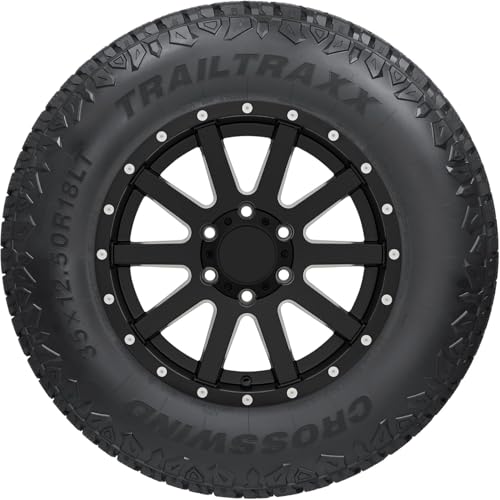
If you add a lift like the Eibach Pro-Lift-Kit HD, you can fit larger tires. But every truck sits a little different. Wheel offset and tire model shape matter. A 35×12.50 can rub where a 295/70R18 might not. After a lift or tire change, get an alignment. That saves tires.
Camber, toe, and caster must be in spec. Wrong toe can shred a tire fast. Wrong caster can cause wander. Any change in ride height or tire size needs a fresh alignment. It is cheap insurance for the best tires for F-150 EcoBoost.
Rotation, Balance, and Break-In
New tires need a short break-in. Molds release agents and sharp edges wear off in a few hundred miles. During this time, grip grows. Keep speeds moderate if it is wet. After 50–100 miles, re-torque lug nuts. That is best practice on aluminum wheels.
Road-force balance helps today’s trucks. It cuts shimmy at 70 mph. It helps heavy A/T and R/T tires ride smooth. Rotate on time. Cross-rotate if the pattern allows. These steps keep the best tires for F-150 EcoBoost smooth and quiet.
My Shortlist by Use Case
Daily highway, light tow: Michelin Defender LTX M/S, Continental TerrainContact H/T, Pirelli Scorpion Verde All Season Plus 3. These are calm and long-wearing. They stop well in rain. They make the truck feel tight and quiet.
All-terrain 70% road, 30% trail: Continental TerrainContact A/T, Falken Wildpeak A/T3W, Yokohama Geolandar A/T G015. These blend grip and hush. They do fine in snow. They are ready for gravel and dirt.
Rugged look and bite: Toyo Open Country A/T III, Nitto Ridge Grappler, BFGoodrich KO2. These have strong sidewalls. They handle rocks and aired-down runs. They still feel fine on the highway if aligned right.
Winter only set: Bridgestone Blizzak LT, Michelin X-Ice Snow SUV (in P-metric sizes where available). If you drive on ice a lot, nothing beats a true winter tire. Swap in spring when temps rise to keep them fresh.
What About 20-Inch Wheels?
Many Platinum and Limited trims run 20-inch wheels. You can still get great tires. Look for 275/55R20 or 285/55R20 options. The Continental TerrainContact A/T, Michelin Defender LTX M/S, and Nitto Ridge Grappler all come in those sizes. Keep the load index strong. The best tires for F-150 EcoBoost on 20s can still feel plush if the casing is good.
Noise Rankings From My Seat
Quietest highway set: Continental TerrainContact H/T and Michelin Defender LTX M/S. Very close. Hard to beat on a long trip. Quietest A/T set: Continental TerrainContact A/T, then Falken A/T3W after 1,000 miles of break-in. Quietest R/T set: Nitto Ridge Grappler up to mid-wear.
Loud but strong: BFGoodrich KO2 gets louder after 25,000–30,000 miles but still grips well. Goodyear Duratrac hums yet shines in snow. Choose based on your drive mix. The best tires for F-150 EcoBoost are the ones you do not think about on the highway and trust on a bad day.
Wet Braking Standouts
From my test drives and shop feedback, top wet stoppers include the Michelin Defender LTX M/S and Continental TerrainContact A/T among A/Ts. The Toyo Open Country A/T III is also strong. If you live where it rains often, put wet braking first. A truck has mass. You need grip when it counts.
Longevity and Warranties
Treadwear warranties are a guide, not a promise. They assume rotations and alignments. Heavy tow and off-road use can reduce life. I see 50,000+ miles from good highway sets. I see 40,000–55,000 from top A/Ts in mixed use. Rotate on time. Keep pressures right. That unlocks the life the tire can give.
Air Down Tips for Trails
Dropping pressure off-road helps. It adds grip and comfort. Carry a good gauge and an air source. For P-metric A/Ts, I often drop to mid-20s psi on dirt. For LT tires with strong sidewalls, high teens can work for sand and rocks. Be smart. Watch sidewall heat. Air back up before highway speeds. Your best tires for F-150 EcoBoost will thank you.
Common Mistakes I See
Going too aggressive for looks alone. Then hating the noise. Under-inflating E-load tires on the highway. Wearing out shoulders fast. Skipping alignments after a lift. Chewing up new tread in months. Ignoring load index. Overloading tires on tow days. Each mistake costs money and time.
The cure is simple. Match the tire to the job. Set the pressure. Align the truck. Rotate on time. Then enjoy the drive.
Budget vs Premium: Where to Spend
Premium tires earn their keep in the rain and over time. Cheaper sets can seem fine new. Many harden and slip in year two. If you can, spend for wet grip and casing quality. If you must save, look for strong mid-tier lines. Check reviews that focus on wet stops and noise at 10,000 miles in.
Can Tires Improve Ride Quality?
Yes. A tire is part of your suspension. A round, well-damped casing can smooth sharp edges. Moving from 20-inch to 18-inch wheels can also help. You gain sidewall, which is a soft spring. Paired with good shocks and, if needed, springs like the Eibach kit, the truck rides like a dream. That makes the best tires for F-150 EcoBoost feel even better.
Seasonal Strategy I Use
If you live in the Sun Belt, a great highway or mild A/T set all year is fine. If you live with real winter, use two sets. Run a quality A/T or H/T in warm months. Swap to winters when temps drop. Store the off-season set in bags, out of sun. Mark positions. You will get better grip and longer life from both sets.
Real-World Setups I Recommend
Highway and tow, 18-inch wheels: 275/65R18 Michelin Defender LTX M/S in XL or LT C. Aligned and rotated. Calm, strong, long-wearing. Great for long trips and boat duty. Feels secure in storms.
Mixed use, 17-inch wheels: 265/70R17 Falken Wildpeak A/T3W in SL or C. Quiet after break-in. Great rain and snow bite. Happy on gravel and mild trails. A nice all-arounder.
Rugged look, 20-inch wheels: 275/55R20 Nitto Ridge Grappler. Good balance of style, bite, and noise. Pair with careful alignment. Check balance to keep it smooth. Makes the truck look ready without killing comfort.
Snow belt two-set plan: Summer set on nice 20s. Winter set on 18s with Bridgestone Blizzak LT. Swap in November and March. The best tires for F-150 EcoBoost are the ones fit for the season.
FAQs Of best tires for f150 ecoboost
What size tires fit my F-150 EcoBoost without rubbing?
Stock sizes like 265/70R17, 275/65R18, and 275/55R20 fit fine. Many trucks can take a small upsized fit. But every wheel offset is different. Check clearance at full lock and over bumps.
Should I choose P-metric or LT tires?
P-metric ride softer and weigh less. LT tires carry more load and resist punctures. If you tow heavy or go off-road, LT may suit you. For daily highway miles, P-metric or XL often works great.
How often should I rotate my tires?
Rotate every 5,000 to 7,500 miles. Do it with each oil change if that helps you remember. Cross-rotate if the tread allows. Consistent rotations extend tread life and reduce noise.
What’s the best tire pressure for my F-150 EcoBoost?
Start with the door sticker pressure. Adjust for load and tire type. E-load tires may need less when unloaded. Increase pressure when towing. Use a quality gauge and check cold.
Do all-terrain tires hurt fuel economy?
Yes, a little. Expect a small drop, often 0.5–1.5 mpg. The trade-off is better dirt grip and tougher casings. Choose tread based on your real use.
Final Verdict: Which Should You Buy?
The Eibach Pro-Lift-Kit HD is the smarter pick if you want lift, control, and room for larger, best tires for F-150 EcoBoost. It sets the chassis so your tire choice works its best.
If your 10R80 shifts rough, the valve body assembly is a solid fix. Pair either upgrade with the best tires for F-150 EcoBoost for safe grip, quiet rides, and long life.