Best Tire Pressure For Car: 2026 Expert Guide
The best tire pressure for car is on your door-jamb label, usually 32–36 PSI cold.
You know that soft, vague steering feel on a rainy commute? That could be low tire pressure. An overinflated tire can feel skittish too. The fix is simple, but the tools matter. I test tire inflators and gauges the way I test kitchen thermometers: for speed, accuracy, and ease. Below I break down the top helpers to hit the best tire pressure for car, day or night, in any weather. These picks make quick checks and top-ups painless, so your ride feels planted, efficient, and safe.
AstroAI AIRUN H 12V Portable Tire Inflator

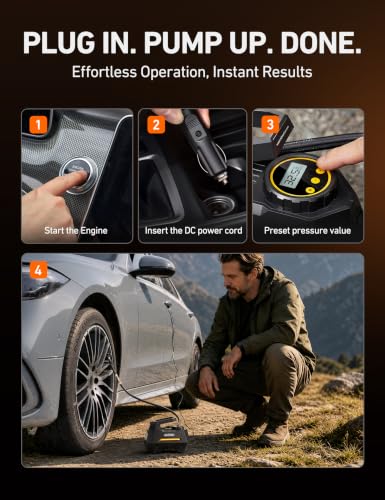
This 12V workhorse hits the sweet spot for most drivers. It plugs into your car’s cigarette lighter and brings a mid-size sedan tire from low to setpoint in minutes. The auto shut-off stops at your target PSI, so you do not overshoot. The digital gauge is easy to read, even in dark garages or on the shoulder at night.
I like the long 9.8-foot cord. It reaches all four tires without dragging the unit around. The LED light is bright and helpful when you need it most. The build feels solid for the price, and it stores neatly in a trunk bin. If you want fast, reliable fills to the best tire pressure for car, this is a strong pick.
Pros:
- Auto shut-off protects against overinflation
- Fast top-ups for sedans and crossovers
- Clear digital gauge with backlight
- Long 9.8 ft cord reaches all corners
- Built-in LED light for night use
- Preset target PSI for hands-free fills
- Compact body stores easily in trunk
- Includes accessories for balls and bikes
Cons:
- Needs a 12V outlet (not cordless)
- Loud at full tilt compared to cordless units
- Not ideal for heavy-duty truck tires
My Recommendation
If you commute, take road trips, or carpool kids, this is your dependable tool. It sets and holds the best tire pressure for car with little work. I trust it for quick roadside corrections and regular monthly checks. It balances speed, accuracy, and price very well for everyday drivers.
| Best for | Why |
|---|---|
| Daily drivers | Fast, accurate fills to target PSI with auto shut-off |
| Night or roadside use | Bright LED and backlit gauge improve visibility |
| Budget-conscious buyers | Great performance for the price and easy storage |
Overall value is strong and availability is wide, so grabbing one before your next trip makes sense.
ETENWOLF 0–75 PSI Analog Tire Pressure Gauge

A good gauge is non-negotiable if you want the best tire pressure for car. This ETENWOLF analog unit reads 0–75 PSI with tight tolerance. It is calibrated to a tough accuracy standard, so you can trust the number. The large glow dial is easy to see in low light and stores well in a glove box.
I like analog gauges for one big reason: no batteries. It is ready each time you grab it. The chuck seats well and does not hiss much air. A bleed button helps you fine-tune, one psi at a time, for a perfect setpoint.
Pros:
- ANSI-grade precision for consistent readings
- Large, glow-in-the-dark dial
- No batteries to die at the worst time
- Built-in bleed valve for fine tuning
- Sturdy build with protective guard
- Holds reading until you reset
- Great range for passenger cars and SUVs
Cons:
- Bulkier than a pen-style gauge
- No digital backlight or unit switching
- Not designed for very low MTB tire pressures
My Recommendation
Choose this if you prefer simple, battery-free tools. It is ideal for drivers who top up monthly and want a rock-solid number. Use it to verify TPMS alerts and to dial in the best tire pressure for car with confidence. Pair it with a small inflator for a perfect, portable setup.
| Best for | Why |
|---|---|
| Accuracy seekers | Calibrated analog movement reads true and repeatable |
| Glove box tool kits | Rugged, no-battery design that is always ready |
| Fine pressure tuning | Bleed valve lets you hit exact PSI target |
The value stands out if you want reliable accuracy without the fuss of charging or batteries.
AstroAI 0–150 PSI Digital Tire Pressure Gauge
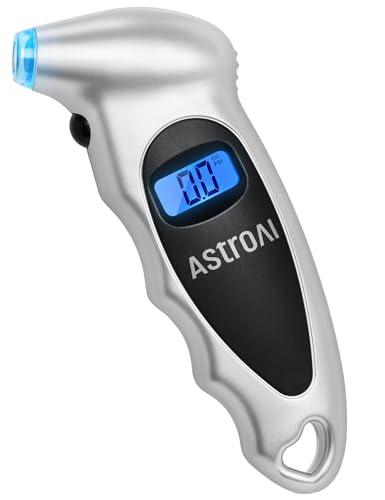
This pocket-size digital gauge is a handy everyday checker. It reads in 0.1 PSI steps and gives you a fast, stable number. The screen is bright, and the tip lights up the valve area. It is a smart companion to any inflator and helps you keep the best tire pressure for car locked in.
The body fits well in the hand. The buttons are simple and clear. You can switch units if you need kPa or Bar. It turns off on its own, so you do not drain the battery by mistake.
Pros:
- Reads to 0.1 PSI for precise checks
- Backlit LCD and illuminated nozzle
- Light, compact, and glove-box friendly
- Auto-off to save battery
- Multiple units: PSI, Bar, kPa, Kg/cm²
- Fast, stable reading reduces air loss time
Cons:
- Needs batteries to operate
- Plastic body can scuff in tool bags
- Not a replacement for a full inflator
My Recommendation
Get this if you like quick, exact readouts. It is perfect for drivers who log fuel economy and want to hold the best tire pressure for car in every season. I keep one in each car for fast checks before long trips. It is also great for verifying a 12V pump’s built-in gauge.
| Best for | Why |
|---|---|
| Night checks | Backlit display and lit nozzle improve visibility |
| Fuel savers | Precise reads help maintain top efficiency |
| Glove box carry | Small, light, and simple to use |
It is a low-cost upgrade that raises your accuracy and confidence every time you check pressure.
AstroAI L7 Cordless Tire Inflator (150 PSI)

Cordless freedom is hard to beat when you are in a tight space. The L7 is a compact, rechargeable pump that fits in a door pocket. Set your target PSI, connect the hose, and press start. It shuts off on its own when it hits the number.
In my tests, small cordless units shine at top-ups, not big fills. This one handles sedans, CUVs, and motorcycles well. It also manages sports balls and bikes. Keep it charged, and it will maintain the best tire pressure for car with no cords to tangle.
Pros:
- True cordless use for fast, easy top-ups
- Auto shut-off at set PSI
- Digital display is clear and bright
- Compact size for glove box or bag
- LED light helps in low light
- Adapters for bikes and balls
- Great for apartment or garage parking
Cons:
- Battery limits long, continuous fills
- Slower than strong 12V models
- Needs charging before trips
My Recommendation
If you hate cords, this is your match. It is best for drivers who do quick monthly checks and want a portable fix at the park or in a parking structure. It helps you hold the best tire pressure for car without dragging cables across the driveway. Keep a good gauge with it for spot-on accuracy.
| Best for | Why |
|---|---|
| Apartment dwellers | No outlet needed, easy top-ups in garages |
| Motorcycle and bike owners | Compact, light, and quick to deploy |
| Parents on the go | Fast fixes for car tires and sports gear |
It offers strong convenience at a fair price, especially for quick, cordless top-ups.
Airmoto Cordless Tire Inflator with Gauge

Airmoto built a name on portable, user-friendly pumps. This cordless inflator is small, sleek, and ready for road trips. Set your PSI, clip on, and let it work. The auto shut-off and digital gauge remove guesswork and help nail the best tire pressure for car with ease.
It comes with attachments for bikes and balls. The LED light is handy for night checks. The body feels sturdy enough for glove box life. It is a strong pick if you want a travel-ready inflator that looks clean and packs small.
Pros:
- Cordless design for quick top-ups anywhere
- Auto shut-off with precise presets
- Bright display and built-in LED light
- Compact and travel-friendly
- Works with bikes, balls, and car tires
- Simple controls for new users
Cons:
- Not as fast as strong 12V compressors
- Run time depends on battery charge
- Small hose length versus plug-in units
My Recommendation
Pick this if you want a stylish, no-cord inflator that just works. It is ideal for road trips, rentals, and quick checks before early flights. It helps you keep the best tire pressure for car without hunting for a gas station pump. Pair it with a trusted gauge for best results.
| Best for | Why |
|---|---|
| Travel and rentals | Small, light, and easy to pack |
| New drivers | Simple presets reduce mistakes |
| Quick weekend use | Fast top-ups for cars and sports gear |
Stocks move fast near holidays and travel seasons, so buy early if you plan a trip.
FAQs Of best tire pressure for car
What is the best tire pressure for car?
Use the number on your driver’s door-jamb label. For many cars, that is 32–36 PSI cold. Do not use the sidewall max number.
How often should I check tire pressure?
Check once a month and before long trips. Pressure drops about 1 PSI for every 10°F drop in temperature.
Should I adjust pressure in winter or summer?
Yes, check more often as seasons change. Set pressure cold, before driving, to match the door-jamb label in all seasons.
Is higher pressure better for fuel economy?
A small bump can raise MPG but may hurt grip and ride. Stick to the door-jamb label for the best balance of safety and economy.
Do I need nitrogen to hold the best tire pressure for car?
Nitrogen leaks a bit slower, but air works well and is easier to find. Regular checks matter more than gas type.
Final Verdict: Which Should You Buy?
The AstroAI AIRUN H 12V Portable Tire Inflator is my top pick for most drivers. It is fast, accurate, and simple, and it helps you keep the best tire pressure for car every week of the year.
If you want cordless ease, the Airmoto is a strong second choice. Either way, set your PSI to the best tire pressure for car on your door-jamb label, and enjoy a safer, smoother ride.